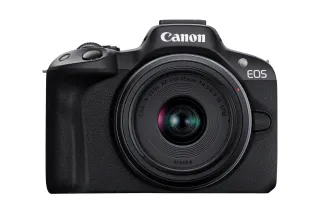
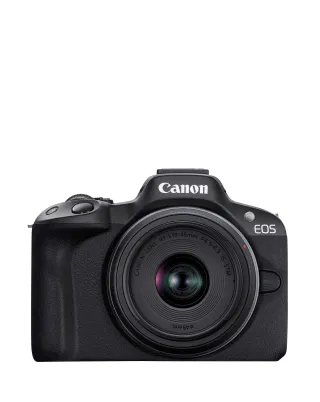
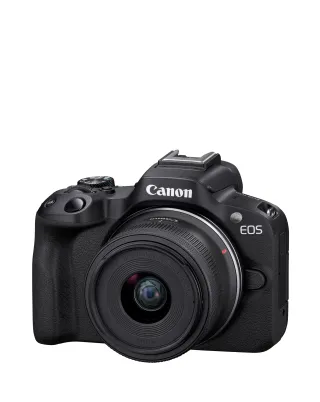
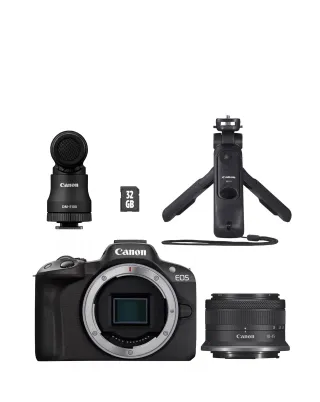
The first proper camera someone buys usually decides whether they stick with photography. The Canon EOS R50 is unusually well suited to that job, because it is light enough to actually carry and clever enough to get out of your way.
Autofocus is where your money goes
Canon’s subject detection is the standout feature. It recognises people, animals and vehicles, locks onto eyes and holds them as the subject moves. In practice that means sharp photographs of children and pets — the two subjects that expose a weak autofocus system immediately, and the two subjects most beginners are trying to photograph.
Small, light, and used more because of it
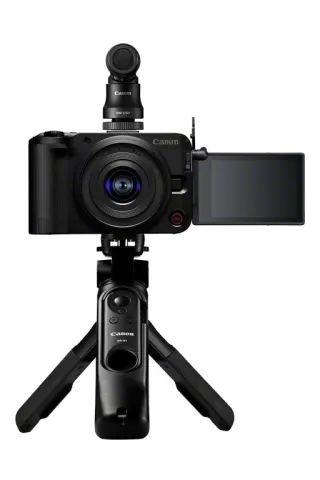
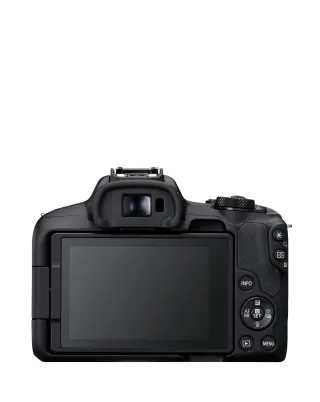
At this size the R50 fits in a small bag and stops feeling like equipment. That matters more than any specification, because the camera you leave at home takes no photographs. The grip is comfortable, controls are sensibly placed, and the fully articulating touchscreen swings out to the side for filming yourself.
Image quality
The 24MP APS-C sensor produces clean, colour-accurate files, and Canon’s JPEG colour — particularly skin tones — remains among the most pleasant straight out of camera. You can happily shoot this in automatic and share the results without editing.
The limitations to know about
There is no in-body stabilisation, so handheld video benefits from a stabilised lens or a tripod. Battery life is modest — buy a spare. And the RF-S lens range, while growing, is smaller and less well served by third-party makers than Sony’s E-mount, which is worth weighing if you expect to build a collection.
Who should buy it
Beginners, parents, travellers and anyone stepping up from a phone who wants noticeably better photographs without carrying a heavy kit. If you want the cheapest possible entry and can live with a fixed screen, look at the EOS R100; if you want a camera to grow into over years, the wider lens choice behind the Sony A6400 deserves consideration.