Digital Cameras review

Sony ZV-E10 II review: the interchangeable-lens vlogging camera, grown up

Sony’s second-generation ZV-E10 moves to a 26MP sensor, 10-bit video and a much bigger battery, while keeping the light body and flip-out screen. Here is who it suits, and where it still falls short.

The original ZV-E10 became one of the most popular YouTube cameras ever made for a simple reason: it put a large sensor and interchangeable lenses into a body small enough to hold at arm’s length, for not much money. The Sony ZV-E10 II keeps that idea and fixes the two things owners complained about most.

What changed from the original

The sensor and the video. The Mark II moves to a newer 26MP APS-C sensor and, more importantly, 10-bit recording. The original recorded 8-bit video, which falls apart quickly if you push the colour in editing. Ten-bit holds together, so skies stay smooth and skin tones survive a grade.

The battery. The first ZV-E10 used a small battery that ran out at the worst moments. The Mark II uses Sony’s far larger battery, and it changes how you work: you stop rationing takes.

What stayed, correctly

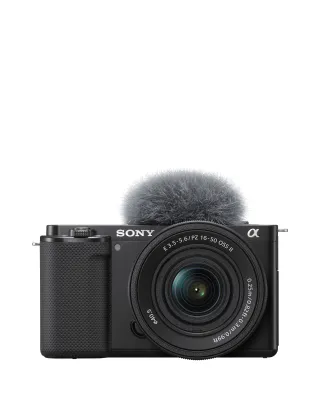
The side-hinged vari-angle screen, which swings out so you can see yourself and does not get blocked by a microphone on top. The directional microphone with its windshield. The product-showcase and background-defocus modes that make solo filming easier. And the E-mount, which gives it access to one of the largest lens ranges of any camera system, new and second-hand.

Where it still falls short

There is no stabilisation in the body. That is the single most important thing to understand before buying. For seated pieces to camera it does not matter at all; for walking footage you will want a stabilised lens, a gimbal, or a different kind of camera altogether. There is also no viewfinder, which makes it awkward for stills in bright sun, and fast pans show some rolling-shutter lean.

Check which model you are buying

The Mark I and Mark II look almost identical, and retailer listings sometimes mix them up — the listing we track for this kit repeats the original model’s specifications in its description. Confirm “II” in the model name and the 26MP figure before ordering.

Who should buy it

YouTubers, streamers and creators who want real background blur, good low light and the option to change lenses, without paying for a full hybrid body. If you want stabilisation and a viewfinder built in, the A6700 is the step up. If you want something that fits a pocket, the ZV-1 II. Compare every option in our vlogging camera guide.
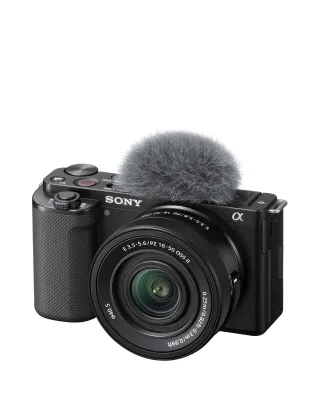
What we like

  • 26MP APS-C sensor with clean, well-coloured video straight out of camera
  • 10-bit recording gives far more room to grade than the original ZV-E10
  • Much larger battery than its predecessor — a proper day of filming
  • Swaps lenses: the whole Sony E-mount range is available to it

What to watch

  • No in-body stabilisation, so walking shots need a stabilised lens or a gimbal
  • No viewfinder — you frame everything on the screen
  • Rolling shutter is visible on fast pans
  • Costs noticeably more than the original ZV-E10 did

The verdict

The best value way into a proper interchangeable-lens vlogging setup from Sony. It fixes the original’s two real weaknesses — battery life and 8-bit video — and keeps everything that made it popular. If you walk while you film, budget for stabilisation; if you mostly sit or stand, it is excellent as it is.

Where to buy

Live prices from the retailers we track, updated daily. We may earn a commission if you buy through these links — it never changes what you pay.

Frequently asked questions

What is the difference between the ZV-E10 and ZV-E10 II?

The Mark II moves to a newer 26MP sensor, adds 10-bit video for grading, and uses a much larger battery. The body, the flip-out screen and the lens mount stay broadly the same. Check the listing carefully: some retailer descriptions for this kit repeat the original ZV-E10’s 24.2MP specification.

Does the ZV-E10 II have image stabilisation?

Not in the body. It relies on electronic stabilisation, which crops the frame, and on stabilised lenses. For walking vlogs a pocket gimbal camera such as the DJI Osmo Pocket 3 will be smoother.

ZV-E10 II or Sony A6700?

The A6700 adds in-body stabilisation, a viewfinder, weather resistance and better autofocus tracking, at a clearly higher price. The ZV-E10 II is the better buy if you film yourself and rarely use a viewfinder.

ZV-E10 II or Sony ZV-1 II?

The ZV-1 II is a fixed-lens compact that fits a pocket. The ZV-E10 II has a larger sensor and can change lenses, which means better low light and real background blur — at the cost of size.

More reviews