Choosing a vlogging camera on resolution alone is how people end up with equipment they do not enjoy using. The cameras that make vlogs look good solve three specific problems: can you see yourself, does it hold focus on your face, and does it sound good?
The vlogging cameras we track
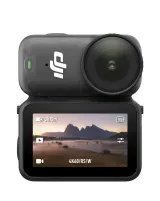 DJI Osmo Nano 64GBfrom £259.00
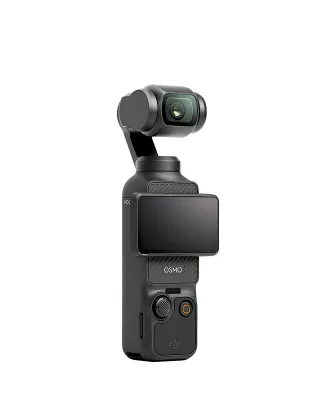
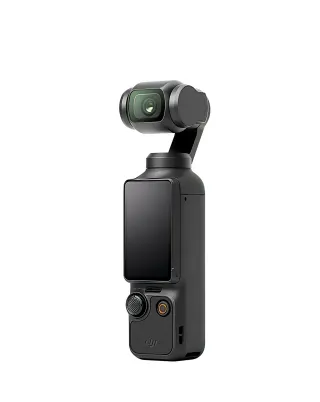
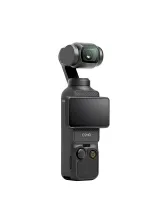 DJI Osmo Pocket 3from £389.00
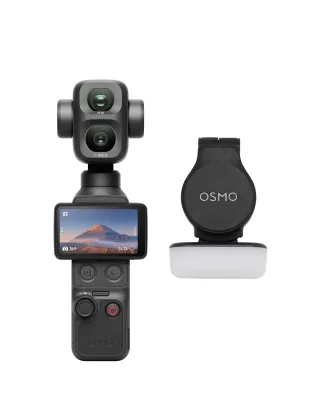
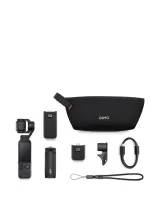 DJI Osmo Pocket 4from £422.00
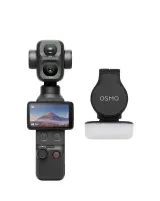 DJI Osmo Pocket 4P Handheld Gimbal Camerfrom £527.00
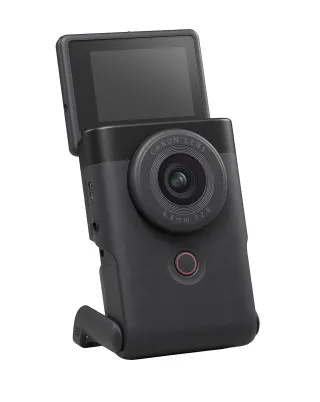
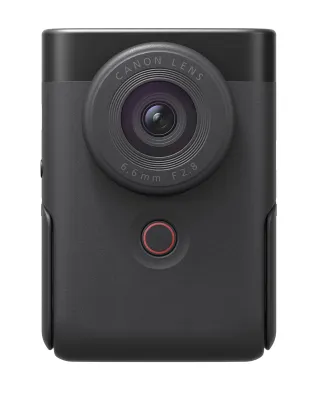
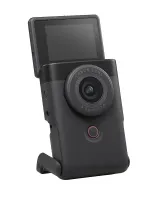 Canon PowerShot V10 Video Vlogging Kitfrom £389.00
Live prices, reordered automatically as the feeds update.
The four things that matter
1. A screen you can see
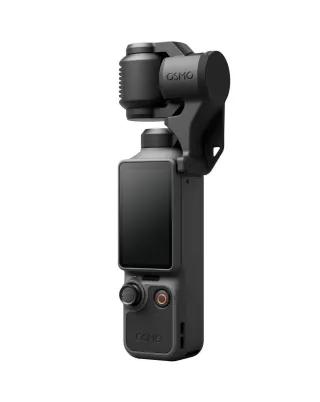
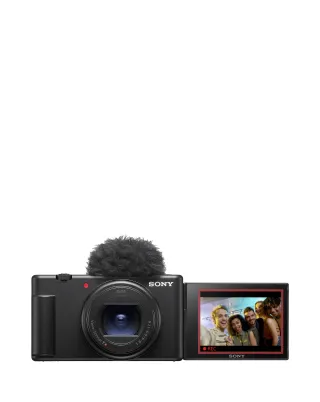
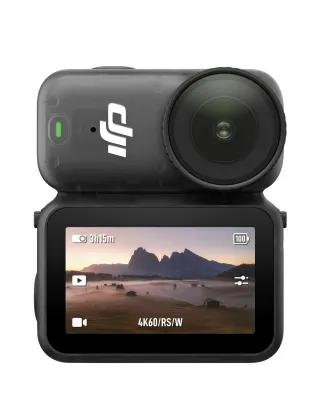
Non-negotiable. A screen that swings out to the side is better than one that tilts upward, because the tilting kind gets blocked the moment you mount a microphone. The Osmo Pocket 3 goes further and rotates the whole screen to switch between horizontal and vertical.
2. Stabilisation — and what kind
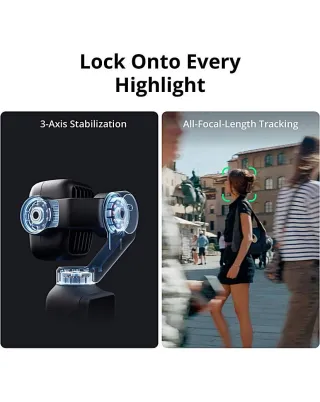
If you walk while filming, this decides everything. Electronic stabilisation crops and warps the image; a mechanical gimbal physically holds the camera level. Gimbal footage looks obviously smoother, which is why pocket gimbal cameras dominate travel vlogging.
3. Autofocus that stays on your face
Modern face and eye detection is very good, and it removes the most common cause of unusable footage: a beautifully lit shot focused on the wall behind you. Sony, Canon and Fujifilm all do this well now.
4. Audio
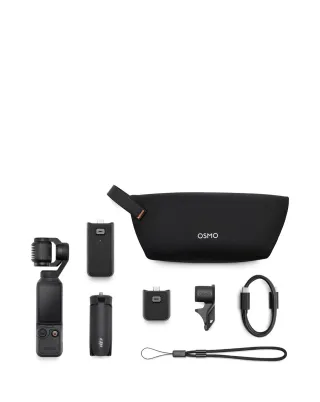
The upgrade nobody wants to hear about and everybody notices. Built-in microphones are compromised by distance and wind. A wireless transmitter clipped to your shirt fixes both, which is why bundles including a microphone — like the Osmo Pocket 4 Pro — are usually better value than they look.
Our picks
Best for travel and walking: DJI Osmo Pocket 3
A 1-inch sensor, a real mechanical gimbal and a rotating screen. Nothing else this size produces footage this smooth. Read the Osmo Pocket 3 review.
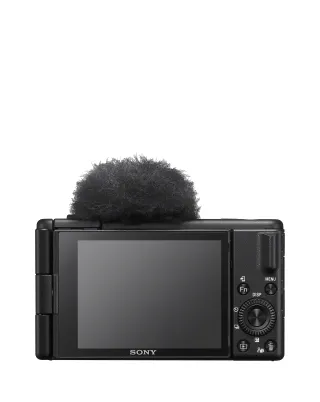
Best for talking to camera: Sony ZV-1 II
An 18mm-equivalent wide lens so you fit in frame at arm’s length, plus an excellent directional microphone with a supplied windshield. See the ZV-1 II review.
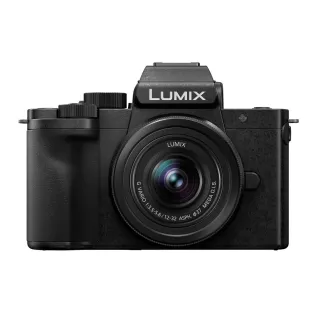
Best for audio on a budget: Panasonic Lumix G100
A directional audio system that tracks the speaker, in a tiny interchangeable-lens body. The Lumix G100 review explains the trade-offs.
Best quality: Fujifilm X-S20
In-body stabilisation, serious video specifications and film simulations that make footage look finished with no grading. Read the X-S20 review.
Simplest: Canon PowerShot V10
A built-in kickstand and one-button operation. See the PowerShot V10 review.
What to spend your next £100 on
Not a better camera. A wireless microphone, a small LED light, and a tripod — in that order. Each will improve your videos more than a sensor upgrade would.