Pocket & Vlogging Cameras review

DJI Osmo Pocket 4 Pro review: the compact studio for solo creators

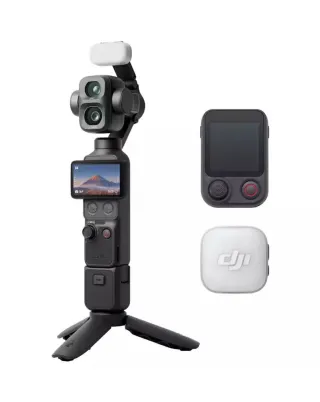
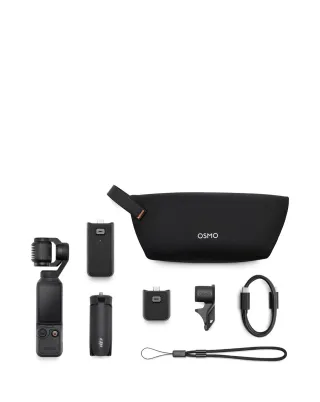
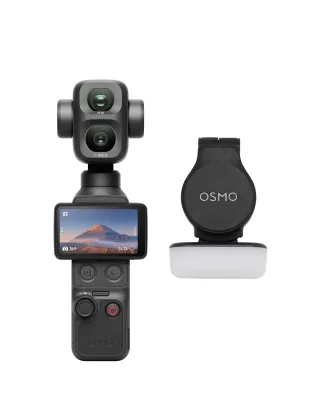
The Pocket 4 Pro pairs the gimbal camera with DJI’s Mic 3 ecosystem, an extended battery handle and ActiveTrack 7.0. For one-person production, it is close to a complete kit in a bag pocket.

The DJI Osmo Pocket 4 Pro is less a new camera than a considered answer to a specific problem: how does one person film themselves properly, on location, without an assistant, a rig or a second pair of hands?

Audio is the upgrade nobody expects

The most valuable item in this bundle is not the camera. It is the DJI Mic 3 system — a wireless transmitter you clip on, magnetic mounts, and wind isolation accessories. Anyone who has published video knows the uncomfortable truth: an audience will tolerate mediocre footage and will not tolerate bad sound. Moving the microphone from the camera to your chest fixes distance, wind and room echo in one step.

Paired with the camera’s own recording, it means street interviews, walk-and-talks and pieces to camera come back usable rather than salvageable.

ActiveTrack 7.0 and working alone

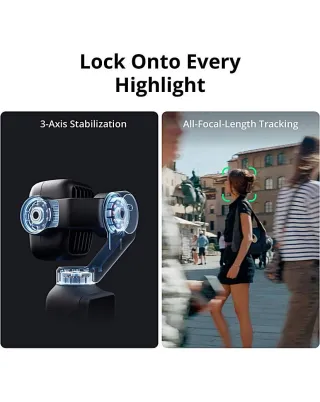
The gimbal does more than smooth footage — it aims the camera. ActiveTrack 7.0 recognises you and physically rotates the lens to keep you in frame as you move around a scene. Set the camera on the included tripod, start talking, walk where you need to, and the framing follows. For solo creators this is the feature that replaces a camera operator.

The battery handle matters more than it sounds

Pocket cameras have always traded runtime for size. The extended battery handle takes the camera from something you ration to something you can leave running through a shoot, while also giving you a more natural grip for handheld work. It is an unglamorous addition that changes the working day.

Who should buy it — and who should not

Buy the Pro if you produce content regularly, alone, and your audio currently lets you down. The bundle is priced as a kit, and judged as a kit it is reasonable value against buying a microphone system separately.

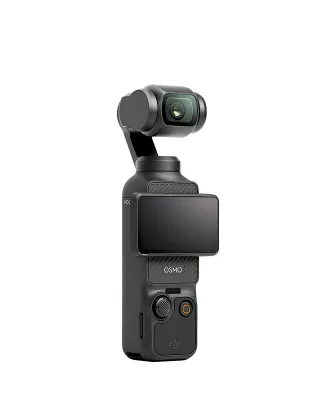
Do not buy it if you mainly shoot B-roll, travel clips or family video. The standard Osmo Pocket 4 gives you the same handheld footage for less, and the Pocket 3 remains superb value. One caution worth repeating: retailer specifications for this model vary, so confirm the exact sensor and bundle contents before you order.
What we like

  • Bundled DJI Mic 3 wireless audio is a genuine production upgrade
  • ActiveTrack 7.0 keeps you framed while you work alone
  • Extended battery handle removes the main limitation
  • Three-axis gimbal and cinematic dynamic range

What to watch

  • The most expensive way into the Pocket line
  • More kit to carry than the point of a pocket camera suggests
  • Specifications quoted by retailers vary — check before ordering
  • Still no real weather sealing

The verdict

The best answer yet to filming yourself with nobody else there. The camera is only part of it: the wireless microphone and battery handle are what turn a good pocket camera into a workable one-person production kit.

Where to buy

Live prices from the retailers we track, updated daily. We may earn a commission if you buy through these links — it never changes what you pay.

Frequently asked questions

What makes the Pro different from a standard Osmo Pocket 4?

Chiefly the bundle. You get the DJI Mic 3 wireless audio system with magnetic mounts and wind protection, an extended battery handle and a travel tripod. It is aimed at creators who need broadcast-usable audio and all-day runtime rather than at people who just want a camera.

Is the wireless microphone really worth it?

Yes — arguably more than any imaging upgrade. Viewers forgive imperfect pictures and abandon videos with poor sound. A transmitter clipped to your shirt beats any on-camera microphone, particularly outdoors and at a distance.

What is ActiveTrack 7.0?

Subject tracking that keeps you centred as you move, using the gimbal to physically follow you. It is what lets you set the camera down, walk, present and stay properly framed without anyone operating it.

What sensor does it use?

Retailer listings for this model differ — some quote a 1-inch sensor, others a 1/1.3-inch version, because DJI sells more than one configuration under similar names. Check the exact specification with the retailer before ordering if sensor size is decisive for you.

More reviews