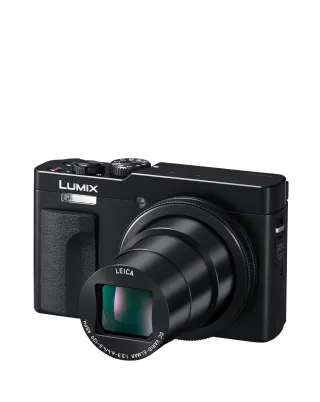
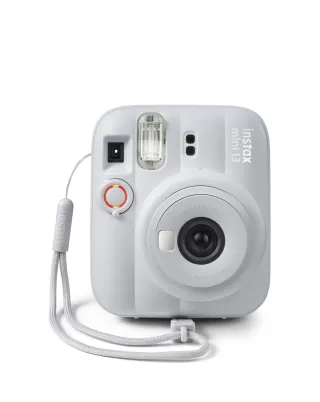
Wildlife photography has one dominant requirement: getting close enough. Since actually getting close is rarely possible, you buy reach instead — and reach is where camera budgets normally disappear.
Long-reach cameras we track
 Kodak 4 LED Ring Lightfrom £22.99
 Kodak 10 Desk LED Ringfrom £34.99
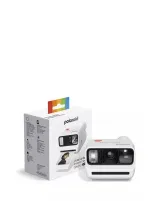 Polaroid Go Gen 3 Camerafrom £79.99
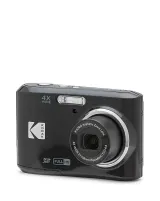 Kodak PIXPRO FZ45 Compact Camerafrom £111.99
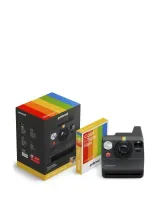 Polaroid Now Gen 3 Everything Boxfrom £129.99
Live prices, reordered automatically as the feeds update.
Three routes, three budgets
1. The cheapest: a superzoom bridge camera
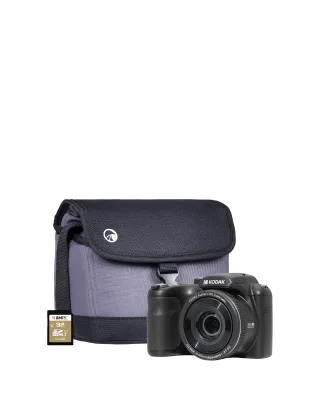
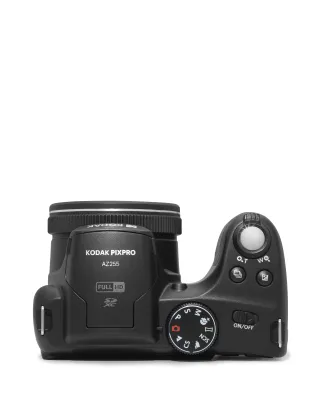
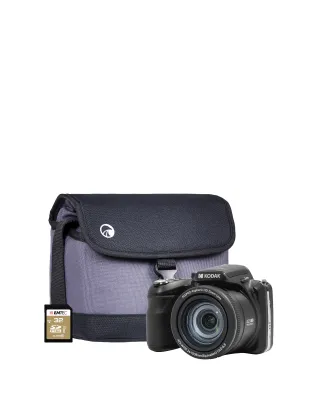
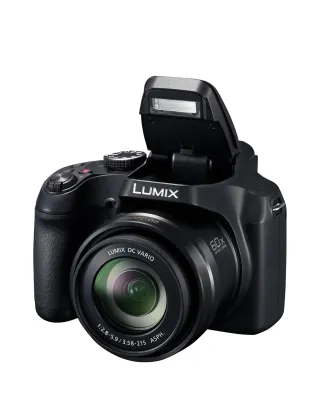
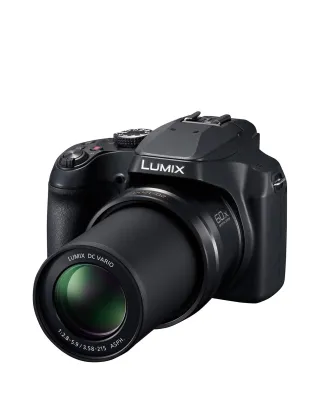
Forty to sixty times zoom in one body, for less than a basic telephoto lens costs. The Lumix FZ82D and Kodak AZ425 both put a distant bird into the frame for very little money.
The catch: small sensors need light. In bright open country these produce perfectly good pictures; in woodland or at dawn they get noisy and hesitant.
2. The smart middle: Micro Four Thirds
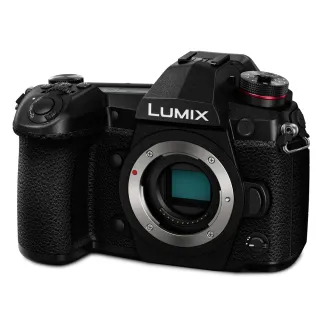
The crop factor is an asset here. A 300mm lens on a body like the Lumix G9 frames like a 600mm would on full frame, and the whole kit stays light enough to carry all day. Add fast burst shooting and excellent stabilisation and you have a genuinely capable setup for a fraction of full-frame prices.
3. The video option: a large-sensor bridge
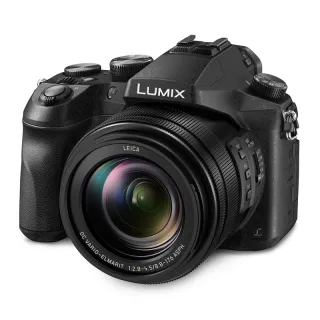
If you want to film wildlife as much as photograph it, the Lumix FZ2000 pairs a 1-inch sensor with a long zoom and proper video tools, including unlimited recording.
Technique beats equipment
Three things will improve your wildlife photographs more than spending more money:
- Get lower. Shooting at the animal’s eye level transforms an image, and separates you from every photograph taken from standing height.
- Let them come to you. Sitting still near a feeder, hide or perch produces closer, calmer subjects than any amount of stalking.
- Shoot at the edges of the day. Animals are more active and the light is far better — though it is also when cheap superzooms struggle most, which is the honest tension in this category.
Where to start
If you are unsure whether wildlife photography will stick, buy a cheap superzoom and find out. If you already know it will, skip straight to a Micro Four Thirds body and a telephoto zoom — you will outgrow the superzoom quickly, and the money is better spent once.