Digital Cameras review

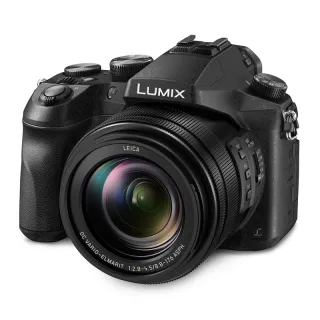
Panasonic Lumix FZ2000 review: a bridge camera built for video

A 1-inch sensor, a long constant-quality zoom, a built-in ND filter and unlimited 4K recording. The FZ2000 is a one-body production kit disguised as a superzoom.

Bridge cameras usually chase zoom numbers. The Panasonic Lumix FZ2000 chased something else entirely: being a complete video camera in one body, and it remains unusually good at that job.

The video features that matter

Three things set it apart. A built-in variable ND filter, which lets you hold a cinematic shutter speed in bright sunlight without screwing filters onto the lens. Unlimited recording, so interviews, ceremonies and talks do not stop at an arbitrary limit. And proper video controls with a microphone input and a fully articulating screen.

Together they make this a camera you can take to an event alone and come back with usable footage, without a bag of accessories.

A large sensor and real reach

The 1-inch sensor is much larger than the chips in cheap superzooms, so image quality holds up as light falls. Paired with a long, capable zoom, one body covers wide interiors through to distant subjects — invaluable when you cannot move around or stop to change lenses.

The trade-offs

It is big and heavy for a fixed-lens camera, and there is no pretending otherwise. It costs considerably more than a basic bridge camera. And the contrast-based autofocus is slower and less confident than modern systems, particularly for tracking moving subjects.

Who should buy it

Event videographers, documentary makers, lecture and conference recorders, and anyone who wants one camera that covers a whole shoot. If you mainly take photographs, an interchangeable-lens camera such as the Lumix G9 gives you more for the money; for sheer zoom on a budget, the Kodak AZ425 is far cheaper.
What we like

  • 1-inch sensor with a genuinely long zoom
  • Built-in variable ND filter — rare and very useful
  • Unlimited 4K recording with proper video controls
  • Fully articulating screen and microphone input

What to watch

  • Large and heavy for a fixed-lens camera
  • Expensive compared with basic bridge cameras
  • Not pocketable in any sense
  • Autofocus is contrast-based and dated

The verdict

A quietly brilliant video camera. The built-in ND filter and unlimited recording make it genuinely useful for events and documentary work, and the zoom means one body covers everything.

Where to buy

Live prices from the retailers we track, updated daily. We may earn a commission if you buy through these links — it never changes what you pay.

Frequently asked questions

What does the built-in ND filter do?

It reduces the light entering the lens, so you can keep a cinematic shutter speed outdoors without the image blowing out. Normally that requires screwing filters onto the front of a lens; here it is a switch. For video shooters it is a significant convenience.

Can it record 4K without time limits?

It was designed for unlimited recording, unlike most stills cameras of its era which stop at short intervals. For interviews, talks, weddings and events that is the difference between a usable camera and a frustrating one.

Is it good for photographs too?

Yes. The 1-inch sensor produces good stills throughout the zoom range, though autofocus is slower than modern mirrorless cameras and it is a heavy thing to carry all day.

More reviews