Digital Cameras review

Panasonic Lumix G9 review: a stills flagship that has become a bargain

Superb in-body stabilisation, weather sealing, fast burst shooting and a top-plate display. The G9 was built as a professional stills camera and now sells for far less.

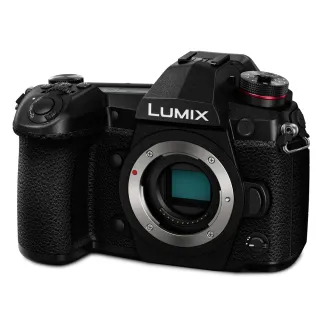
The Panasonic Lumix G9 was built as a stills flagship, with the handling to match: a deep grip, a top-plate information display, weather sealing and controls where your fingers expect them. Years later, that build quality is available at a fraction of the original price.

Stabilisation that changes what you can shoot

Panasonic’s in-body stabilisation is the G9’s defining feature. Handheld shots at shutter speeds that should be impossible come back sharp, which opens up dim interiors, evening streets and long lenses without a tripod. It remains impressive by any standard.

Fast enough for action

Very high burst rates make it a credible sports and wildlife camera, particularly paired with Micro Four Thirds telephoto lenses. Because the sensor is smaller, those lenses give more effective reach for their size and weight than an equivalent full-frame setup — a 300mm behaves like a 600mm would, in a package you can actually hold up.

The sensor trade

Micro Four Thirds sensors are smaller than APS-C and much smaller than full frame. In good light the difference is modest; as light falls, noise arrives sooner and you have less control over depth of field. If low-light photography is your priority, a larger-sensor body like the Sony A7 III is the better tool.

Autofocus is also from an earlier generation than the subject-recognition systems on current cameras — competent, but not class-leading.

Who should buy it

Enthusiasts who want a professional-feeling camera cheaply, wildlife and travel photographers who value light telephoto lenses, and anyone who shoots handheld in awkward conditions. If you want something smaller and more modern for mixed stills and video, the Lumix G80 is the lighter option.
What we like

  • Outstanding in-body image stabilisation
  • Weather-sealed, professional-feeling body
  • Very fast burst shooting for action and wildlife
  • Small, light Micro Four Thirds lenses

What to watch

  • Smaller sensor than APS-C and full frame
  • Low light is its weakest area
  • Older autofocus system than current rivals
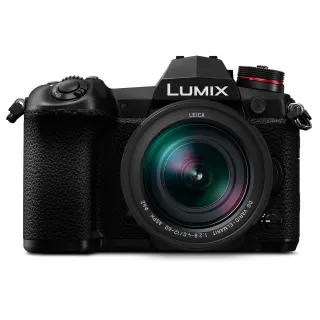
  • Body only unless you buy the Leica kit

The verdict

A professional stills body at an enthusiast price. The stabilisation and handling still feel special, and the compact lens system makes it a genuinely practical camera to carry all day.

Where to buy — every version we track

Live prices from the retailers we track, updated daily. We may earn a commission if you buy through these links — it never changes what you pay.

Frequently asked questions

What is Micro Four Thirds?

A sensor format smaller than APS-C, which allows much smaller and lighter lenses — especially telephotos. You trade some low-light performance and background blur for a system you can carry all day without a large bag.

Is the Lumix G9 good for wildlife?

It is a strong budget choice. Fast burst shooting, excellent stabilisation and the smaller sensor’s effective extra reach from telephoto lenses all help. Low light is the limitation.

What is the difference between the two versions?

One is body only; the other is bundled with a Leica-branded zoom. If you have no Micro Four Thirds lenses, the kit is usually better value than sourcing a comparable zoom separately.

How good is the stabilisation?

Among the best of its era, and still impressive. Handheld shots at very slow shutter speeds are routinely sharp, which is genuinely useful for travel, interiors and low light.

More reviews