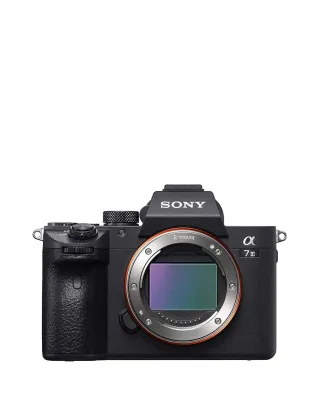
Camera companies would prefer you bought the newest model. The Sony A7 III is the awkward, persistent argument against that, because years after launch it still does the important things as well as cameras costing considerably more.
Why full frame matters
The sensor is the reason to buy this camera. A full-frame chip collects far more light than the APS-C sensors in cheaper bodies, which shows up in two places you will notice immediately: cleaner images when the light is poor, and much finer control over depth of field. Portraits separate from their backgrounds naturally. Indoor and evening photography stops being a fight.
At 24MP it also strikes a sensible balance — enough resolution to crop and print large, without the enormous files of higher-resolution bodies.
Autofocus that has aged remarkably well
Eye autofocus was the A7 III’s headline feature and remains genuinely excellent. It locks onto a subject’s eye and holds it while they move, which is the difference between a usable portrait session and a folder full of near misses. Newer cameras track more subject types more cleverly, but for people, this is still reliable, professional-grade performance.
Where it shows its age
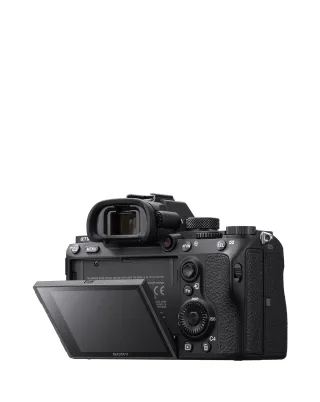
The rear screen tilts on one axis only and does not flip forward, which makes it poor for filming yourself. The viewfinder is lower resolution than current models. And Sony’s menu system from this era is genuinely difficult — plan to set it up carefully once, assign your custom buttons, and then avoid the menus.
The lens question
This is sold as a body only, so budget for glass. The upside is the E-mount range: Sony, Sigma, Tamron and others make everything from cheap fast primes to professional zooms, and there is a deep second-hand market. Whatever you eventually want to shoot, a lens exists for it — which is the real argument for buying into this system.
Who should buy it
Photographers who want full-frame image quality without full-frame flagship pricing: portrait, wedding, travel and event shooters. If your priority is video or a flip-out screen, look at the ZV-1 II for vlogging or the A6700 for hybrid work.