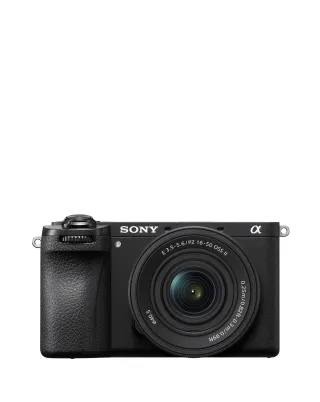
APS-C cameras have long been treated as the cheap option on the way to full frame. The Sony A6700 is a reminder that a smaller sensor can be a deliberate choice rather than a compromise — particularly if you shoot video as much as stills.
Tracking that actually understands the scene
The headline is subject recognition. The camera identifies people, animals, birds, vehicles and insects, then holds focus on them as they move around the frame. In practice this means you can concentrate on framing and timing rather than on keeping a focus point over someone’s face — and the hit rate on moving subjects is dramatically better than older bodies managed.
The screen changes what the camera is for
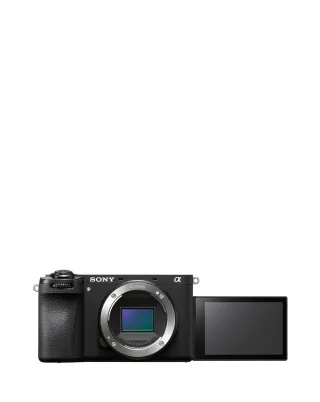
Previous cameras in this line had screens that tilted upward and were promptly blocked by any microphone you mounted. The A6700 uses a fully articulating screen that swings out to the side, so you can see yourself while recording. Combined with in-body stabilisation and 10-bit recording, that turns it from a stills camera that also shoots video into a genuine hybrid.
Image quality
Sharp, detailed files with pleasant colour and enough dynamic range to recover a bright sky. It will not match a full-frame body like the A7 III in very poor light or for the shallowest depth of field, but it is closer than the price gap suggests, and the smaller body and lenses are a real advantage when travelling.
Buy a better lens
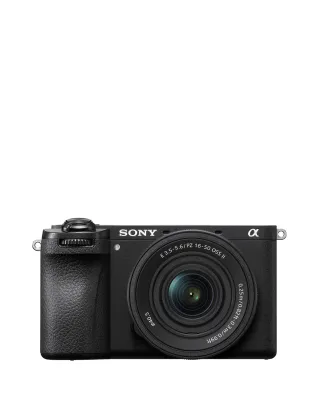
The 16-50mm kit zoom is small and forgettable in equal measure. It will get you started, but the sensor deserves better, and a single fast prime will improve your results more than any other purchase. Budget for one from the outset if you can.
Who should buy it
Content creators, travel photographers, wildlife beginners and anyone who wants one camera to cover photographs and video properly. If you only take photographs and want to save money, the older A6400 is still an excellent camera.