Digital Cameras review

Canon EOS 2000D review: is a DSLR still worth buying?

An optical viewfinder, huge battery life and the cheapest lenses in photography. The EOS 2000D is old technology — and for some buyers that is exactly the appeal.

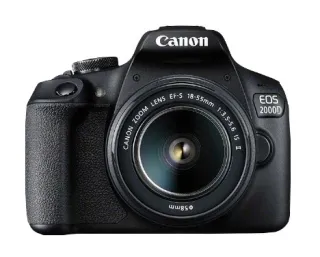
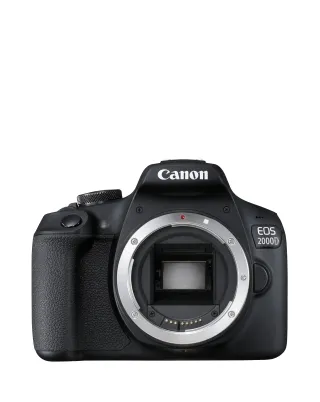
The Canon EOS 2000D is a DSLR, which in 2026 makes it a deliberately old-fashioned choice. Mirrorless cameras have taken over for good reasons. But there are still buyers for whom this camera makes more sense than a modern equivalent, and it is worth being clear about who they are.

The case for it

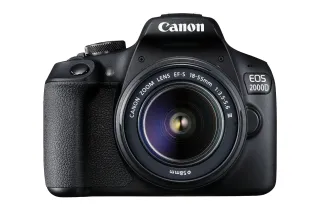
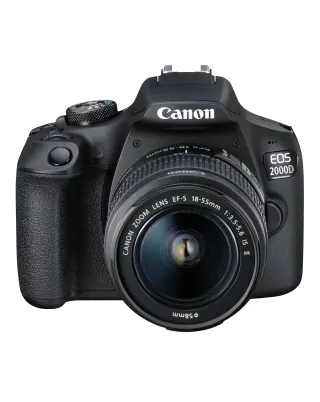
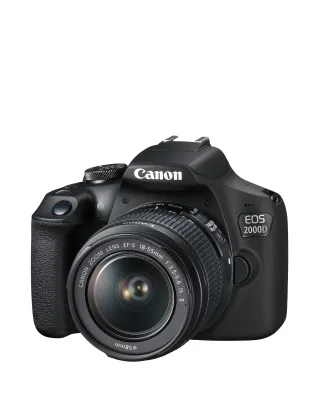
Three things. First, the optical viewfinder — you are looking through the lens at the actual scene, with no lag and no electronic display consuming power. Second, that lack of power draw means battery life measured in many hundreds of frames, where mirrorless cameras often manage a few hundred at best. Third, and most importantly, EF and EF-S lenses are abundant, excellent and very cheap second-hand after decades of production.

That last point is the real argument. Photography is mostly lenses, and no system offers as much usable glass for as little money.

The case against it

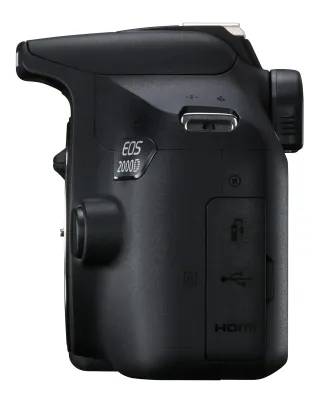
Live view autofocus — using the rear screen rather than the viewfinder — is slow and hunts noticeably, which is exactly how phone-upgraders expect to shoot. Video is basic. The screen is fixed and not a touchscreen. And DSLR development has essentially stopped, so this is a mature dead end rather than a platform with a future.

Image quality

The 24MP APS-C sensor produces good, detailed files in decent light with pleasant Canon colour. In this respect it is not far behind entry-level mirrorless cameras — the gap is in autofocus, video and handling rather than raw picture quality.

Who should buy it

Students learning the fundamentals, anyone who prefers an optical viewfinder, and bargain hunters who plan to build a kit from used EF lenses. If you want to shoot video, use the rear screen, or buy into a system with a future, the EOS R50 is the better purchase — and your EF lenses will adapt onto it later.
What we like

  • Optical viewfinder with no lag or battery drain
  • Outstanding battery life — hundreds of shots per charge
  • Enormous range of cheap EF and EF-S lenses, new and used
  • Simple, robust and easy to learn on

What to watch

  • Live view autofocus is slow and dated
  • Basic video capabilities
  • Fixed, non-touch screen
  • DSLR development has effectively stopped

The verdict

A dated camera that still makes sense for a specific buyer: someone who wants an optical viewfinder, all-day battery life and access to decades of affordable second-hand glass. For everyone else, mirrorless has moved on.

Where to buy — every version we track

Live prices from the retailers we track, updated daily. We may earn a commission if you buy through these links — it never changes what you pay.

Frequently asked questions

Is the Canon EOS 2000D still worth buying in 2026?

For stills photography on a budget, it can be. You get an optical viewfinder, excellent battery life and access to a vast, cheap second-hand EF lens market. For video or fast live-view shooting, a mirrorless camera like the EOS R50 is far better.

What is the advantage of an optical viewfinder?

You see the scene directly through the lens, with no electronic lag and no power drain. Some photographers strongly prefer it, and it is part of why DSLR battery life is measured in hundreds of shots rather than dozens.

Should I buy body only or with a lens?

With a lens, unless you already own EF glass. The bundled 18-55mm is a sensible starting point, and the second-hand EF market is where the real bargains are once you know what you want.

Can I use EOS 2000D lenses on a mirrorless Canon later?

Yes, with Canon’s EF to RF adapter, which is one of the better arguments for buying EF lenses cheaply now.

More reviews