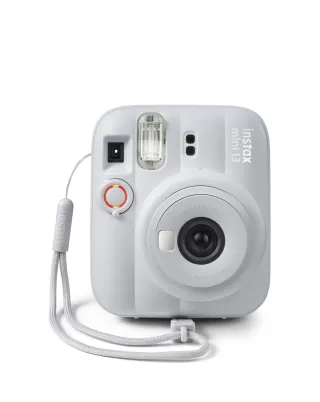
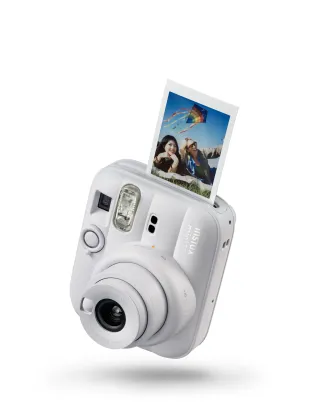
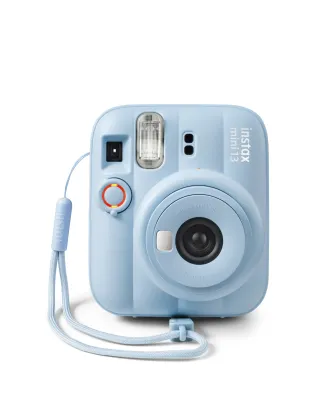
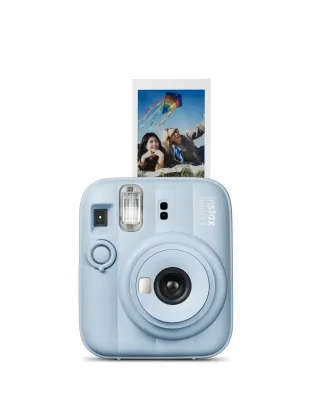
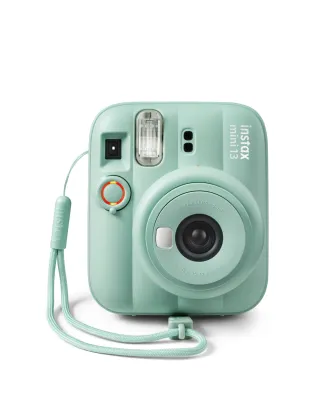
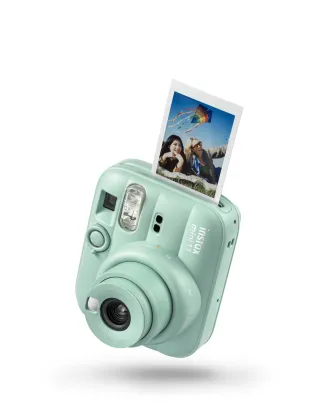
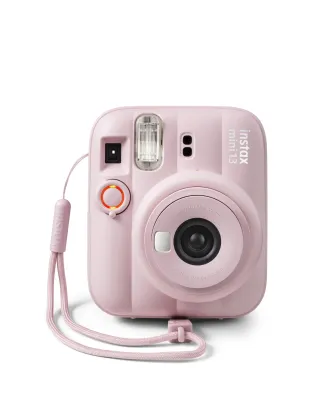
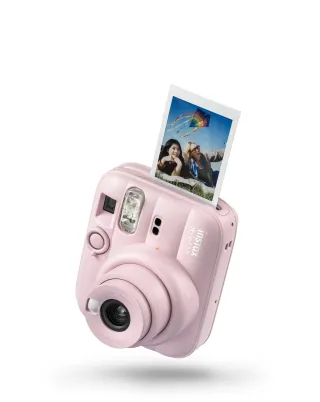
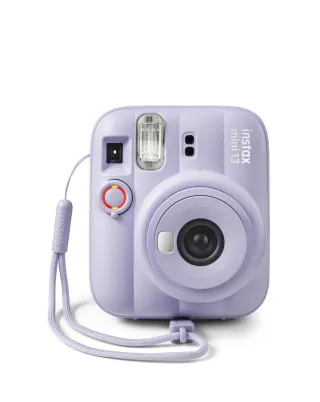
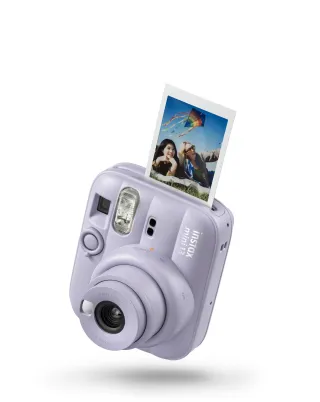
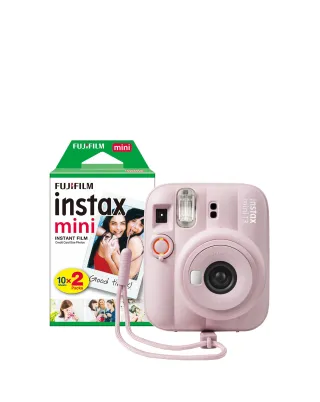
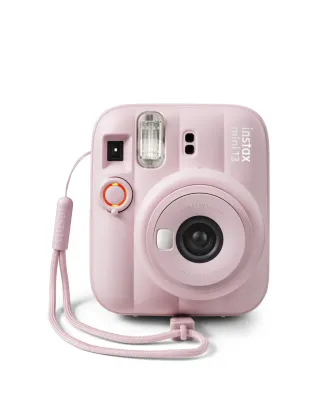
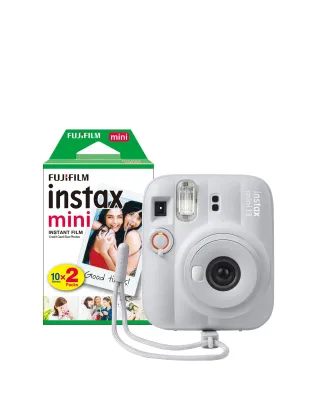
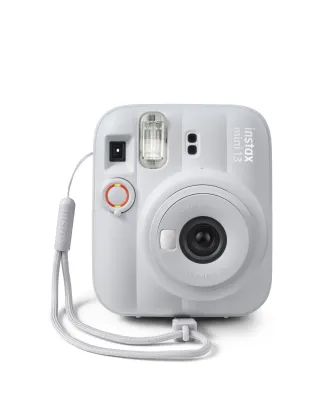
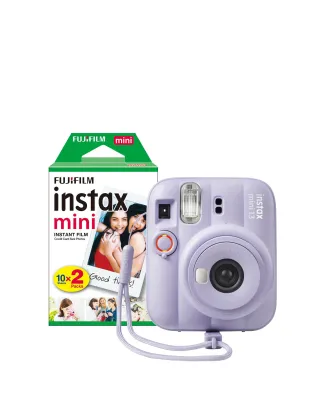
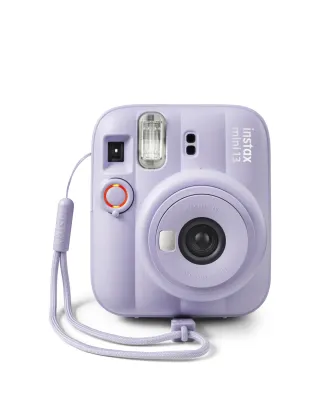
The Fujifilm Instax Mini 13 arrives with a difficult brief: improve on a camera whose main virtue was that there was nothing to improve. Fujifilm has sensibly changed very little.
What it is
An entry-level instant camera that produces credit card-sized prints, with automatic exposure, a built-in flash, a close-up mode and a selfie mirror. You point it and press the button. There are no menus, no modes to misunderstand and no way to come home with an empty memory card, because there is no memory card.
Why the simplicity is the feature
Instant cameras live at parties, on holidays and in the hands of children. In those settings, every control is an opportunity to get something wrong while the moment passes. By automating exposure and flash, the Mini 13 makes the most common instant photography failure — a dark, muddy indoor shot — largely disappear.
The close-up mode compensates for the offset between viewfinder and lens, so portraits taken at arm’s length are framed as you intended rather than beheaded.
Colours, bundles and what to actually buy
This model is sold in a wide range of colours and in several bundles, including versions with 20 shots of film and the Skinny Dip editions. Functionally they are identical cameras. The differences worth caring about are the price and whether film is included — and film-inclusive bundles are usually the better value, because you will need it immediately.
Running costs
Every press of the shutter costs money. That is not a criticism, it is the nature of the format, but it does mean the true price of instant photography is measured in packs of film rather than in the camera. Buy film in multipacks, and treat each shot as deliberate — which, as it happens, is much of the charm.
Alternatives worth a look
If you want to choose which photos to print rather than committing to every frame, the Instax Mini Evo is a hybrid that lets you review first. If you want bigger prints, the Instax Square SQ40 or Instax Wide 400 deliver considerably more picture for your money per shot.