Digital Cameras review

Polaroid Go Gen 3 review: the smallest real Polaroid there is

Tiny prints, tiny camera, unmistakably Polaroid. The Go Gen 3 is the cheapest way to get proper Polaroid film with its white frame and slow, magical development.

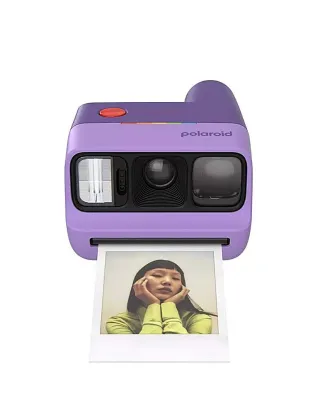
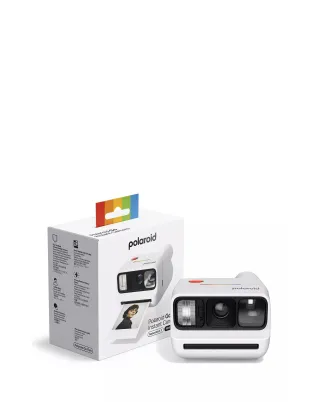
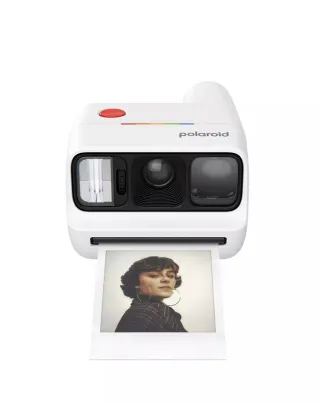
Polaroid means one specific thing: a square image inside a thick white border, developing slowly in your hand. The Polaroid Go Gen 3 delivers exactly that in the smallest analogue instant camera you can buy.

Small enough to actually carry

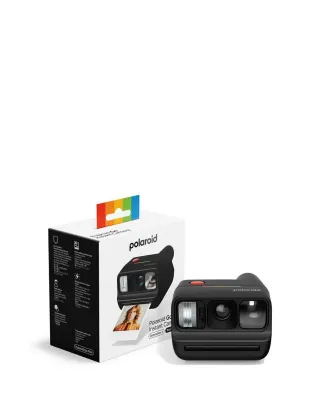
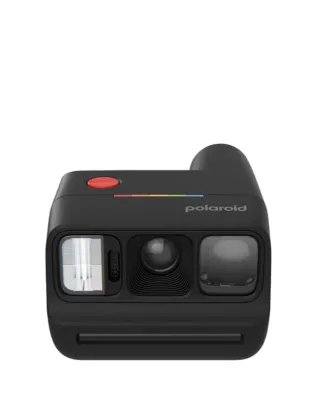
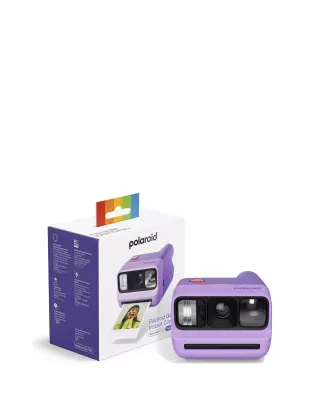
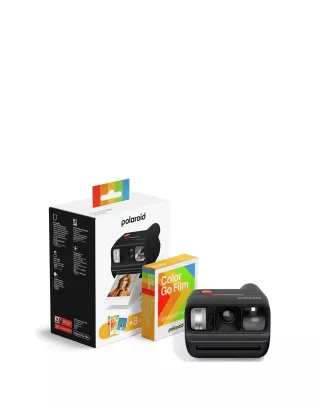
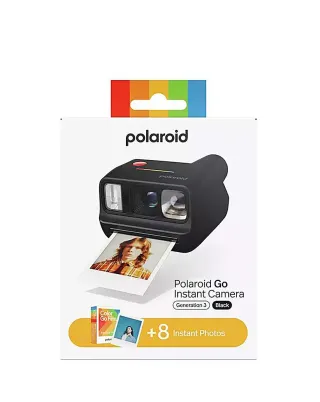
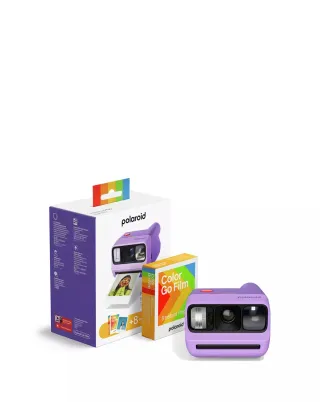
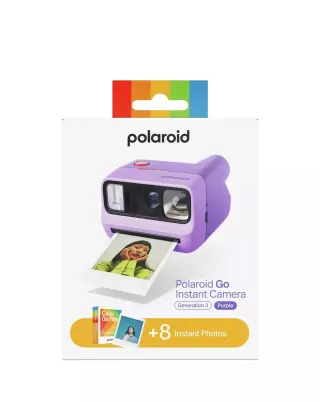
The Go is genuinely pocketable, which matters because instant cameras are usually left at home for being bulky. It comes in several colours and is frequently sold in bundles with film, which is the version to look for — a Polaroid with no film is an ornament.

The look is the product

Polaroid film renders differently to Instax: softer, warmer, less predictable, with the white frame everybody recognises. Some shots come out beautifully; some come out oddly. That inconsistency frustrates people expecting reliability and delights people who came for the character.

Two features help you experiment — a self-timer and a double exposure mode, both unusual on a camera this small.

The running costs, honestly

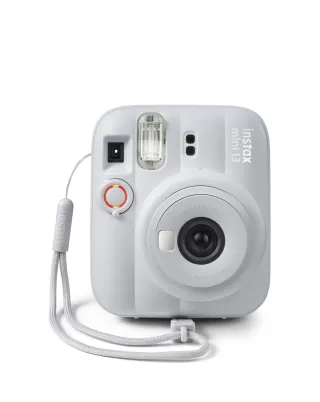
Polaroid film is the most expensive way to take instant photographs, priced above Instax per shot and sold in smaller packs. If you plan to shoot heavily at a party, that adds up quickly, and an Instax Mini 13 will be considerably cheaper to run.

Remember also that Polaroid film is sensitive to light while developing. Let the print eject under the shield, then keep it face down and in the dark for a few minutes — the difference in the final colour is noticeable.

Who should buy it

People who want the Polaroid look specifically, gift buyers, and anyone who values character over consistency. If you want reliable, cheap prints all evening, buy Instax. If you want that white frame on a shelf, only Polaroid will do.
What we like

  • Genuinely pocketable — the smallest analogue instant camera
  • Authentic Polaroid look with the classic white frame
  • Double exposure and self-timer built in
  • Available in several colours and bundles

What to watch

  • Polaroid film costs more per shot than Instax
  • Prints are small even by instant standards
  • Film needs shielding from light while developing
  • Less consistent exposure than Instax rivals

The verdict

Buy it for the Polaroid aesthetic, not for value or consistency. Nothing else produces that particular look, and the Go is the cheapest and most portable way to get it.

Where to buy — every version we track

Live prices from the retailers we track, updated daily. We may earn a commission if you buy through these links — it never changes what you pay.

Frequently asked questions

Polaroid or Instax — which should I buy?

Instax is cheaper per shot, more consistent and easier to get right. Polaroid has the iconic white-framed look, softer and more unpredictable colour, and more character. Choose Instax for reliability and Polaroid for aesthetics.

How much does Polaroid Go film cost?

More per shot than Instax Mini, and it is sold in smaller packs. Budget carefully — the film will cost far more over a year than the camera did.

Why do I need to shield the photo after it comes out?

Polaroid film is light-sensitive as it develops. The camera has a shield to cover the print as it ejects, and keeping it face down in the dark for the first few minutes gives noticeably better colour.

Does it do double exposures?

Yes, along with a self-timer — both unusual at this size and this price, and both genuinely fun to experiment with.

More reviews