If you only learn one camera specification, make it this one. Sensor size influences low-light performance, depth of field, lens size, camera weight and price all at once — and bigger is not automatically better.
The sizes, largest to smallest
| Sensor | Crop factor | Typically found in | Best for |
|---|---|---|---|
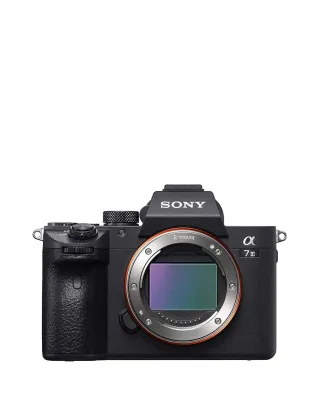
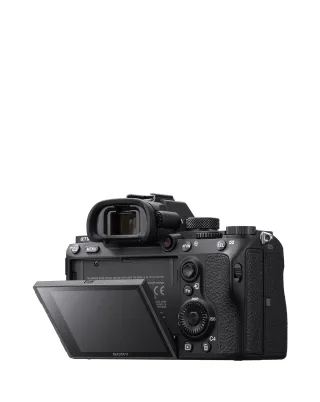
| Full frame | 1x | Sony A7 III | Low light, shallow depth of field |
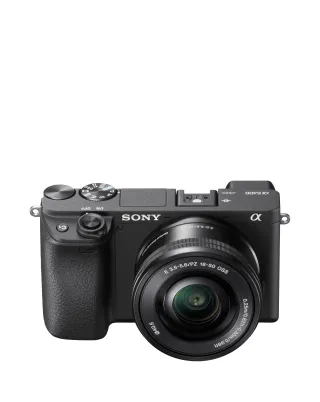
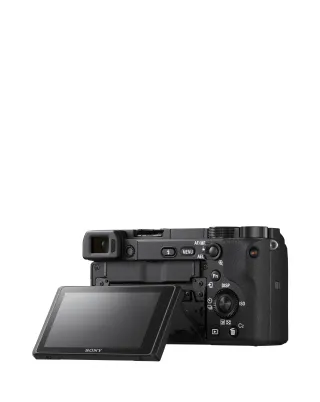
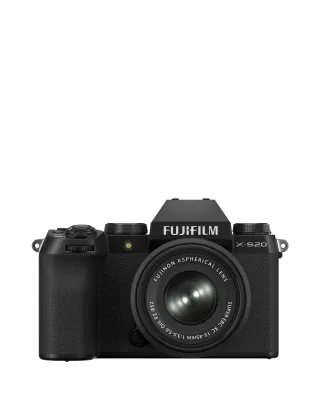
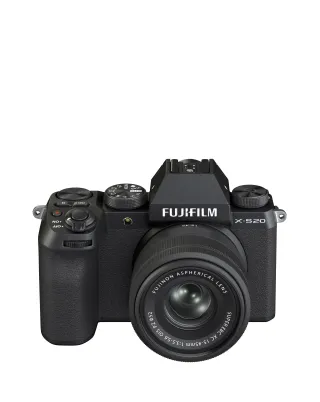
| APS-C | 1.5x | Sony A6400, Canon R50, Fujifilm X-S20 | The all-round balance |
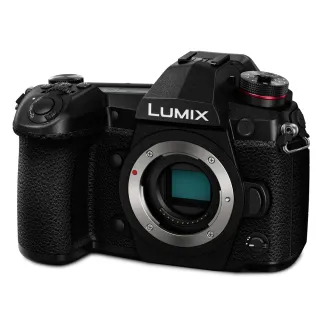
| Micro Four Thirds | 2x | Lumix G9, G80, GX8 | Small light lenses, telephoto reach |
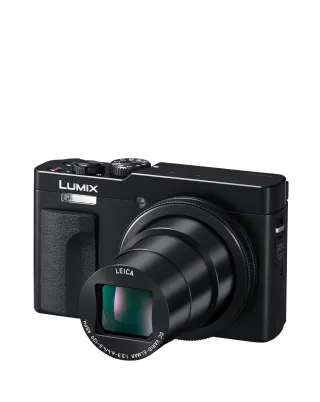
| 1 inch | 2.7x | Osmo Pocket 3, Sony ZV-1 II, Lumix TZ100 | Pocket cameras with real quality |
| 1/1.3in and smaller | ~4x+ | Action cameras, phones, compacts | Size, toughness, zoom range |
What a bigger sensor genuinely gives you
Better low light
A larger surface collects more light, so images stay cleaner as conditions worsen. This is the single most noticeable benefit, and it is why full-frame cameras like the Sony A7 III remain popular for weddings and events.
Shallower depth of field
The blurred background that makes portraits look professional is easier to achieve on a larger sensor. Smaller sensors keep more of the scene in focus, which is sometimes exactly what you want — landscapes and product shots benefit from it.
What a smaller sensor gives you
Smaller, cheaper lenses
This is the underrated half of the equation. A telephoto lens for Micro Four Thirds is dramatically smaller, lighter and cheaper than the full-frame equivalent with the same reach. For travel and wildlife that is a genuine advantage, not a compromise — see the Lumix G9 review.
More reach for the money
Crop factor works in your favour with long lenses. A 300mm on Micro Four Thirds frames like a 600mm on full frame, at a fraction of the size, weight and cost.
Cameras that fit in a pocket
You cannot put a full-frame sensor in something the size of an Osmo Pocket 3. The 1-inch sensor exists precisely because it is the largest that works in a genuinely pocketable camera, and it is far ahead of a phone.
The honest summary
For most people, APS-C is the right answer: close to full-frame quality, in a smaller and much cheaper package with plenty of lenses. Choose full frame if you photograph in poor light regularly or want maximum background blur. Choose Micro Four Thirds if you want to carry long lenses without carrying a bag. Choose a 1-inch camera if the deciding factor is that it fits in your pocket.
And remember: a good lens on a small sensor beats a bad lens on a big one, every time.