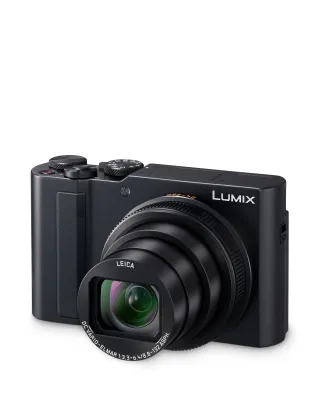
The Panasonic Lumix TZ300 tries to resolve the compromise that defines travel compacts — sensor size versus zoom range — by refusing to sacrifice either as heavily as its cheaper siblings do.
A better sensor with real reach
Cheap pocket zooms use tiny sensors to get their enormous range. The TZ300 uses a larger one and still offers a long zoom, which means you keep the flexibility to photograph distant subjects without accepting the noisy, soft images that usually come with it.
The practical effect is a camera that stays usable as the light fades — early mornings, museums, evening streets — where cheaper compacts give up.
Built for travelling
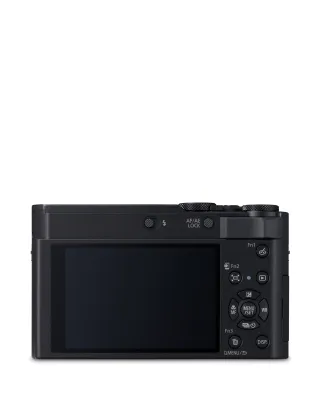
There is an electronic viewfinder, which matters more than people expect: in bright sunshine a rear screen becomes unreadable, and holding a camera to your eye is far steadier for long zoom shots. It records 4K video and offers 4K Photo for extracting stills from motion.
What to weigh
It is expensive for a fixed-lens compact, and at the price you are shopping against entry-level interchangeable-lens cameras that will out-perform it optically. The counter-argument is size: no mirrorless camera with a comparable zoom will go in a coat pocket.
The lens also gets dim at the long end, so the sensor advantage narrows when fully zoomed.
Who should buy it
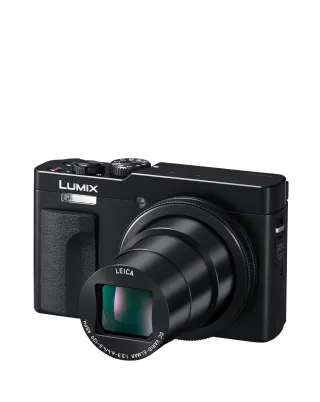
Frequent travellers, walkers and city photographers who want one small camera and no decisions. If you want the same idea for less money, the TZ100 is the value pick; if you want maximum zoom cheaply, the TZ80.