Digital Cameras review

Polaroid Flip review: the Polaroid that tells you when a shot will fail

A flip-up front, a four-lens autofocus system and a warning when the light is wrong. The Flip is Polaroid trying to stop you wasting expensive film.

Instant photography has one structural problem: you find out whether the shot worked after you have already paid for it. The Polaroid Flip is the first camera in the range to take that problem seriously.

A camera that says no

The Flip assesses the scene and warns you when a photograph is likely to come out badly — usually too little light, or a subject beyond the flash’s useful range. It is a small feature with an outsized effect, because it converts a wasted, expensive frame into a prompt to step closer or change the lighting.

Focus done properly

A sonar-based system judges subject distance and picks between multiple lenses to suit. In practice, portraits and group shots come back sharper more often, addressing the softness that has always been part of the Polaroid experience — charming in moderation, frustrating in bulk.

Built to be carried and protected

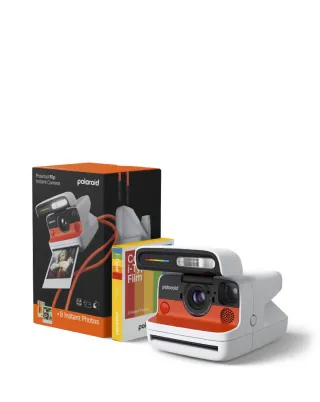
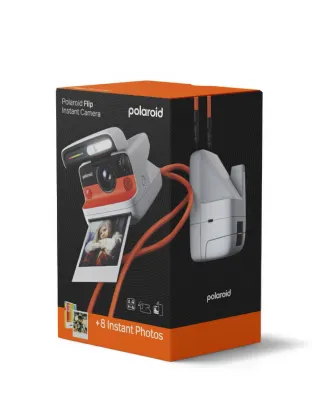
The flip-up front covers and protects the lens when not in use, which is sensible for a camera destined to be thrown into bags at parties. It is still a large object, as any full-size Polaroid must be.

The economics

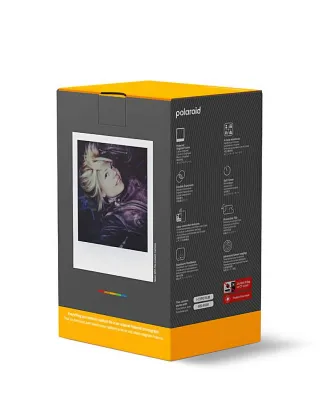
This is among the priciest cameras Polaroid sells, and the film remains expensive. The argument in its favour is straightforward: if the focusing and the warnings save you even a few frames per pack, the gap narrows quickly. Look for the Everything Box bundles, which include film.

Who should buy it

Committed Polaroid shooters, event hosts who want a high hit rate, and anyone who has been put off the format by wasted frames. For a cheaper full-size Polaroid, the Now Gen 3 covers the basics; for the smallest and cheapest entry, the Go Gen 3.
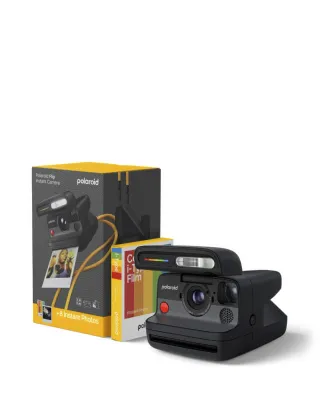
What we like

  • Multi-lens autofocus improves sharpness across distances
  • Warns you when a shot is likely to be badly exposed
  • Protective flip-up cover for the lens
  • Full-size Polaroid prints

What to watch

  • Among the most expensive Polaroid cameras
  • Film cost remains high
  • Bulky to carry
  • Still an analogue camera with no preview

The verdict

The most thoughtful Polaroid in the range. Warning you before you waste a frame is exactly the right feature for a format where every shot costs real money.

Where to buy — every version we track

Live prices from the retailers we track, updated daily. We may earn a commission if you buy through these links — it never changes what you pay.

Frequently asked questions

What does the Polaroid Flip warn you about?

It flags when the scene is likely to produce a poor exposure — typically when there is not enough light or the subject is out of range. On a format where every press of the shutter costs money, being told to move closer or turn on the flash first is genuinely valuable.

How does the autofocus work?

It uses a sonar-based system to judge distance and selects between multiple lenses accordingly, keeping subjects sharp at a wider range of distances than a fixed-focus camera manages.

Polaroid Flip or Polaroid Now?

Both use full-size film. The Flip adds the multi-lens focusing system, the exposure warning and a protective flip cover, at a higher price. If you shoot often and hate wasting film, the Flip earns the difference; otherwise the Now is fine.

More reviews