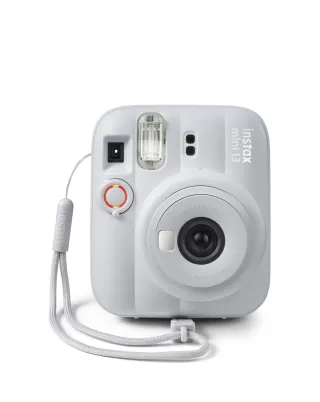
The most common first-camera mistake is spending everything on the body. Photographs come from lenses, light and being there — so the right first camera is one you can afford to pair with a decent lens, and one small enough that you actually take it out.
Beginner-friendly cameras we track
 Kodak 4 LED Ring Lightfrom £22.99
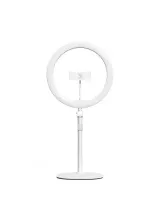 Kodak 10 Desk LED Ringfrom £34.99
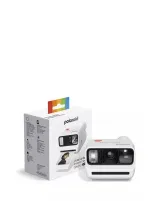 Polaroid Go Gen 3 Camerafrom £79.99
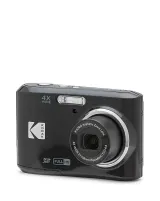 Kodak PIXPRO FZ45 Compact Camerafrom £111.99
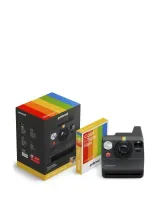 Polaroid Now Gen 3 Everything Boxfrom £129.99
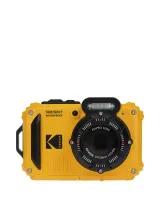 Kodak PIXPRO WPZ2 16MPfrom £164.99
Live prices, reordered automatically as the feeds update.
What to prioritise
Weight, before anything else
A camera left at home takes no pictures. If you are choosing between a heavier camera with better specifications and a lighter one you will carry daily, take the lighter one every time.
Autofocus with face and eye detection
This is the feature that turns a frustrating camera into an enjoyable one, especially for photographing children and pets. Every camera we recommend below has it.
A screen that moves
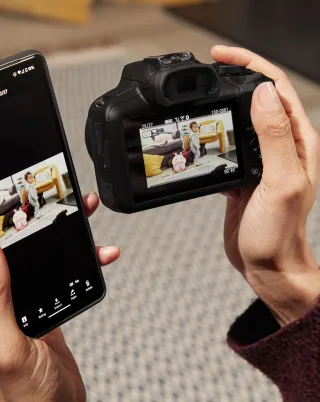
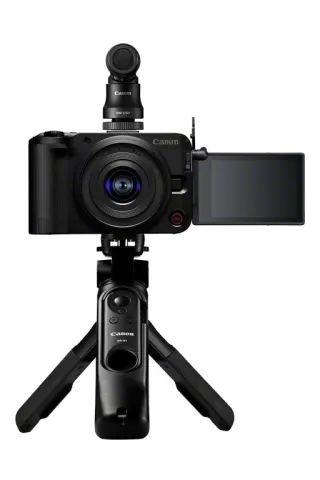
Useful for low angles, overhead shots and filming yourself. A screen that flips out to the side is more versatile than one that only tilts.
The lens system behind it
You are buying into an ecosystem, not just a body. Sony’s E-mount has the widest range of affordable lenses including plenty of third-party options; Canon’s RF-S range is smaller; Fujifilm and Micro Four Thirds sit in between with plenty of small, characterful glass.
Our picks
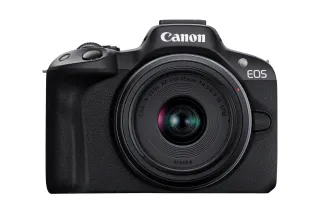
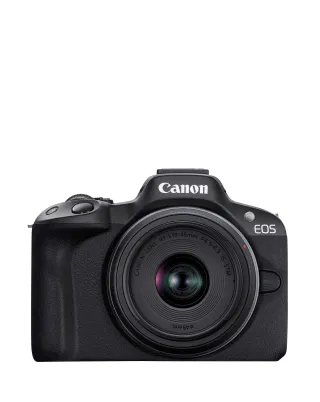
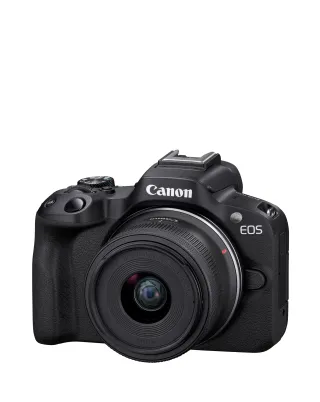
Best overall first camera: Canon EOS R50
Light, genuinely easy to learn on, with excellent subject tracking and a guided interface that explains what settings do. Read the EOS R50 review.
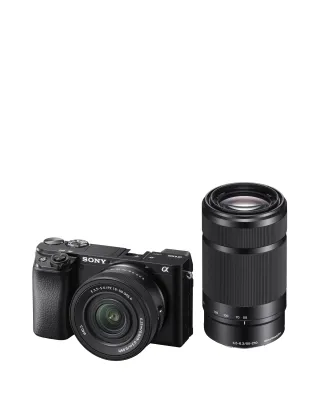
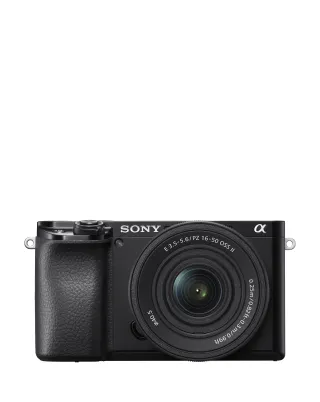
Best value: Sony A6100
The same sensor and autofocus as far pricier Sony bodies, in a cheaper plastic shell — and it opens the door to the largest lens range around. See the A6100 review.
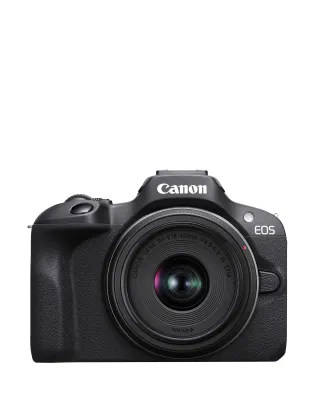
Cheapest way in: Canon EOS R100
A fixed screen is the compromise, but the image quality is not cut down. The EOS R100 review covers who it suits.
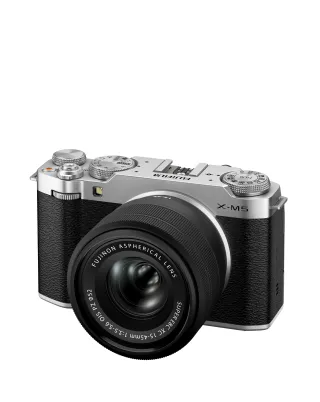
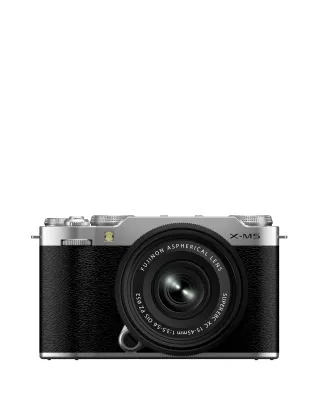
Most enjoyable to use: Fujifilm X-M5
Small, light and with film simulations on a dial, so pictures come out looking finished. Read the X-M5 review.
If you want a viewfinder cheaply: Canon EOS 2000D
An older DSLR with superb battery life and access to decades of cheap lenses. See the EOS 2000D review.
What to spend the rest of your budget on
- A fast prime lens. The single biggest improvement available to you.
- A spare battery. Mirrorless cameras drain them faster than you expect.
- A fast memory card and a small bag you will actually use.
A tripod can wait. Filters can wait. Get the lens.