Action Cameras review

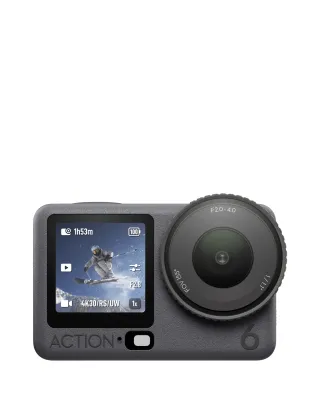
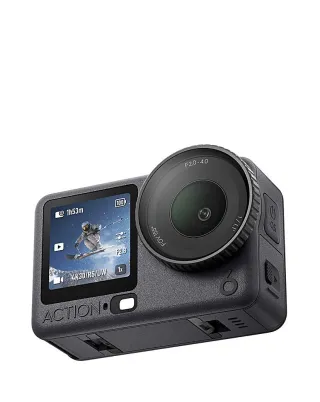
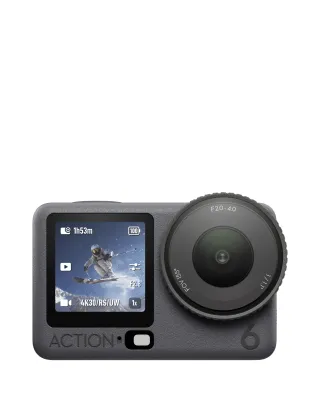
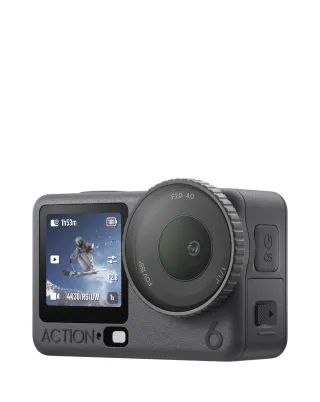
DJI Osmo Action 6 review: the first action camera with a variable aperture

A square 1/1.1-inch sensor, an f/2.0–f/4.0 variable aperture and a 4K Custom mode that lets you crop after the fact. The Osmo Action 6 is the most interesting action camera in years.

Action cameras have been iterating quietly for years. The DJI Osmo Action 6 is the first in a long while to change the rules, with two features no rival offers: a variable aperture and a square sensor.

The variable aperture, and why it matters

Every action camera before this one had a fixed aperture. That sounds like a technicality until you understand the consequence: in bright conditions the camera can only control exposure by raising shutter speed, and very fast shutter speeds make motion look unnaturally crisp and stuttery — the opposite of the smooth, cinematic movement you want.

With an aperture that moves between f/2.0 and f/4.0, the Action 6 can hold a sensible shutter speed in bright sun and open right up when the light drops. In practice that means more natural-looking motion outdoors, and a real advantage after sunset.

A square sensor is a clever idea

The 1/1.1-inch sensor is square, which sounds odd until you think about how footage is consumed now. Widescreen for YouTube, vertical for phones, square for feeds. A square sensor lets you shoot once and crop out any of those shapes afterwards without running out of frame at the top or the sides.

DJI calls the workflow 4K Custom mode: capture generously, decide the composition in the edit. For anyone publishing to more than one platform, that removes an entire category of reshooting.

Low light

The larger sensor, wider maximum aperture and new noise reduction combine in SuperNight mode, which produces clean video at up to 4K/60 in conditions where action cameras historically fell apart. Night riding, evening streets and indoor venues are all fair game now.

What to weigh up

This is the priciest camera in DJI’s action range, and the square-sensor advantage only pays off if you actually reframe footage in editing. If you shoot 16:9 and publish 16:9, you are paying for flexibility you will not use — the Action 5 Pro or the excellent-value Action 4 make more sense.

The Standard Combo covers the basics; the Adventure Combo adds batteries, a charging case and an extension rod, and is the one to buy for long days out.
What we like

  • Variable f/2.0–f/4.0 aperture — a genuine first for the category
  • Large square 1/1.1-inch sensor with real cropping flexibility
  • SuperNight mode produces usable 4K/60 in poor light
  • 4K Custom mode lets you reframe to any aspect ratio afterwards

What to watch

  • Most expensive DJI action camera
  • Square sensor benefits need an editing workflow to exploit
  • Variable aperture adds a moving part to a rugged camera
  • Newer, so third-party accessory support is still catching up

The verdict

The most genuinely innovative action camera on sale. The variable aperture and square sensor are not marketing — they change what you can shoot and how much freedom you have afterwards.

Where to buy — every version we track

Live prices from the retailers we track, updated daily. We may earn a commission if you buy through these links — it never changes what you pay.

Frequently asked questions

What does a variable aperture do on an action camera?

It controls how much light reaches the sensor. Action cameras have always had a fixed aperture, which forces the camera to manage bright scenes with shutter speed alone — often producing unnaturally sharp, stuttery motion. Being able to stop down to f/4.0 in bright sun, or open to f/2.0 at dusk, gives you proper control over both exposure and the look of motion.

Why a square sensor?

Because you can crop out of it in any direction without losing the edges. Shoot once, then produce a widescreen version for YouTube and a full-height vertical version for social from the same take, each properly framed. That is what the 4K Custom mode is for.

What is SuperNight mode?

A low-light mode combining the larger sensor, wider aperture and new noise reduction to deliver up to 4K/60 in conditions that would normally defeat an action camera.

Osmo Action 6 vs GoPro HERO13 Black?

The DJI is the more inventive camera — variable aperture, square sensor, better low light. The GoPro has the deeper accessory ecosystem and swappable lenses. If image control matters most, choose the Action 6; if mounting options and resale matter most, the GoPro.

More reviews