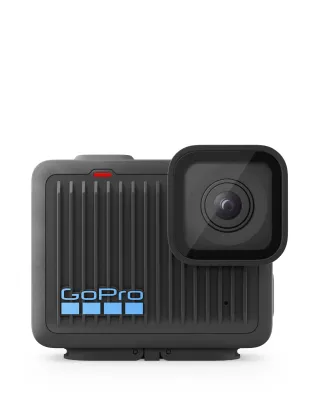
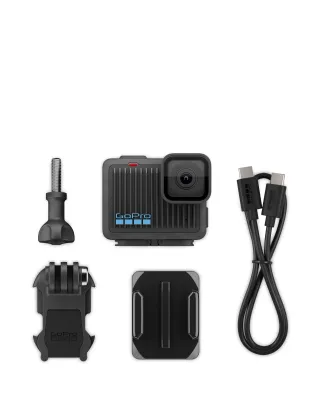
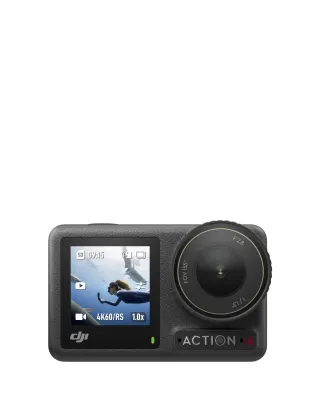
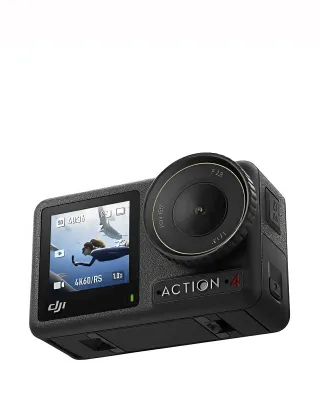
Buy the wrong type of camera and no amount of specification chasing will fix it. Before choosing a model, work out which of these four categories your actual shooting falls into.
The quick comparison
| Action camera | Pocket gimbal | 360 camera | Mirrorless | |
|---|---|---|---|---|
| Best for | Mounted, wet, rough | Handheld, vlogging | Solo, unpredictable | Image quality |
| Stabilisation | Electronic, excellent | Mechanical, superb | Excellent | Varies |
| Low light | Weak (small sensor) | Good (1-inch) | Weak | Best |
| Editing effort | Low | Low | High | Medium |
| Waterproof | Yes, 10–20m | No | Usually 5m | No |
Buy an action camera if…
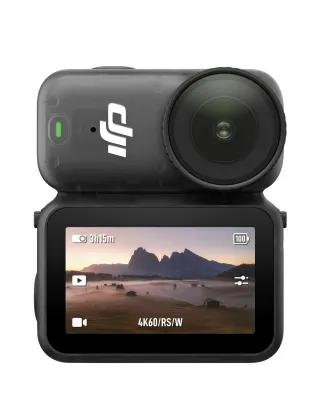
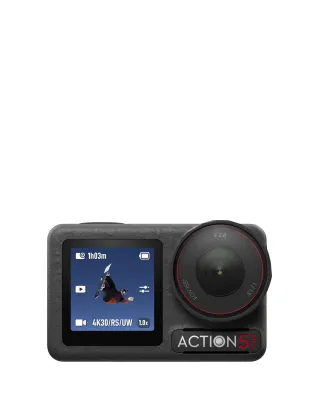
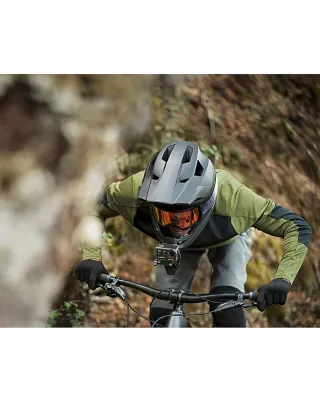
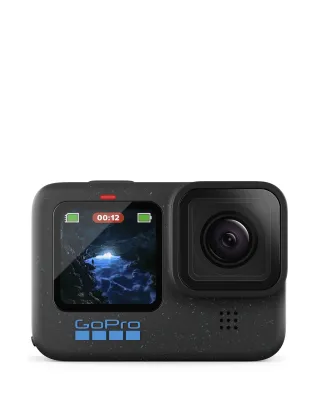
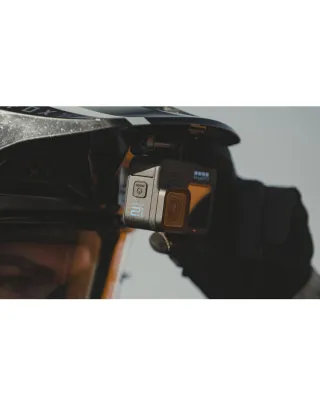
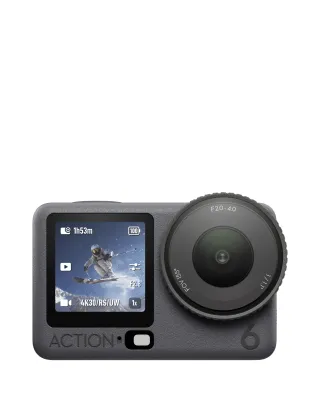
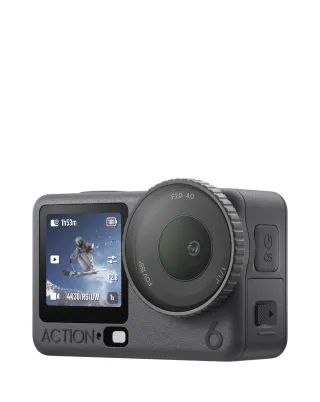
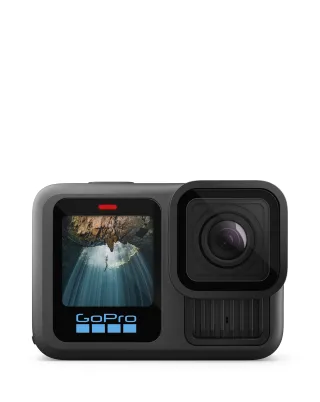
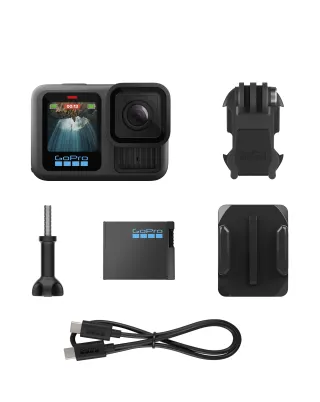
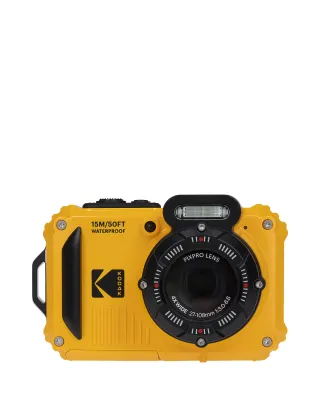
…the camera will be attached to something — a helmet, handlebars, a chest harness, a surfboard — or will get wet. They are built to be thrown around, they mount to anything, and their very wide lenses suit point-of-view footage. They are poor at filming your face indoors. Start with the best action cameras guide.
Buy a pocket gimbal camera if…
…you hold the camera. Walking, travelling, talking to it, filming family. The mechanical gimbal produces footage no electronic system matches, and a 1-inch sensor copes with indoor light in a way action cameras cannot. The DJI Osmo Pocket 3 is the benchmark.
Buy a 360 camera if…
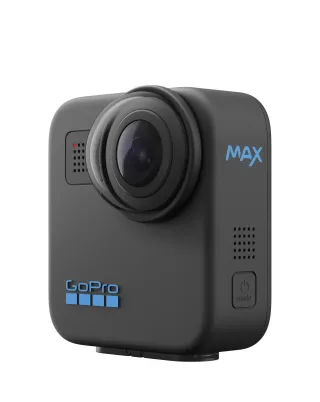
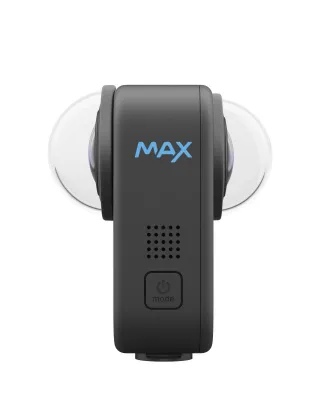
…you shoot alone and cannot stop to frame shots. It captures everything, so you choose the angle afterwards, and it can erase the selfie stick to produce drone-like orbiting shots. Budget real time for editing — see the GoPro Max 2 review.
Buy a mirrorless camera if…
…image quality is the priority and you are willing to carry something. Interchangeable lenses, large sensors and proper control produce photographs the other categories cannot approach. Start with the beginners guide.
The most common mistake
Buying an action camera to vlog with. They are wide, small-sensored and unflattering close up, and they struggle indoors. People buy one because it is tough and cheap, get poor results filming themselves, and conclude they need a better action camera. They need a different type of camera.
The sensible two-camera setup
If you shoot a lot, the most useful pairing is a pocket gimbal camera for handheld work and an action camera for anything mounted or wet. They cost less together than one high-end body and cover far more situations.