Action cameras have converged. Nearly every current model shoots 4K, stabilises well and survives being dropped, which means the choice comes down to a handful of practical differences rather than a spec sheet shoot-out. Here is how to pick, and what we would buy.
The action cameras we track, cheapest first
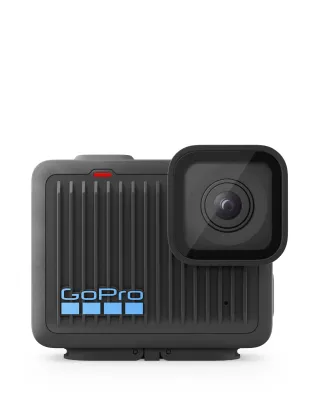
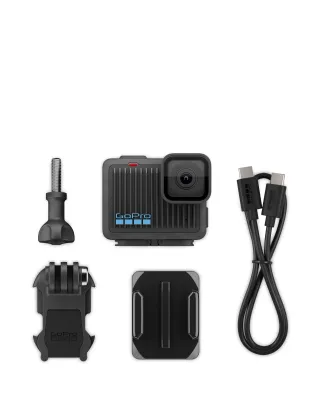
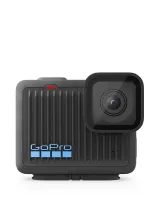 GoPro HERO Action Camerafrom £199.99
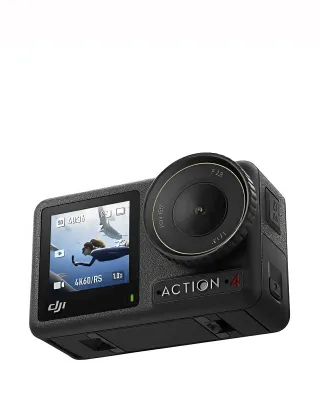
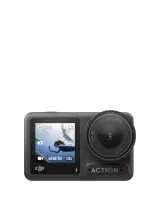 DJI Osmo Action 4 - Standard Combofrom £209.00
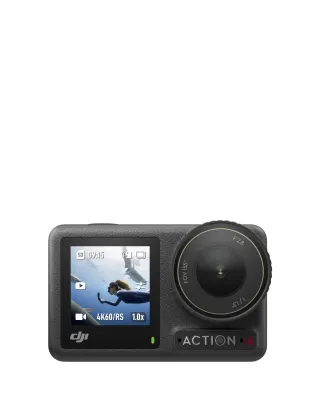
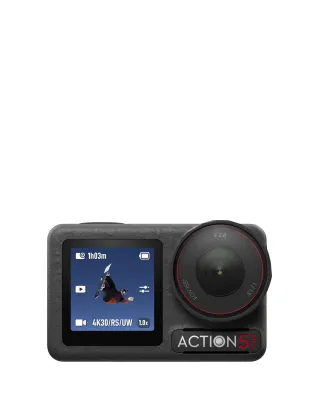
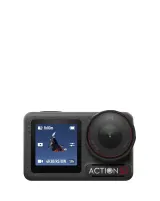 DJI Osmo Action 5 Pro Standardfrom £305.00
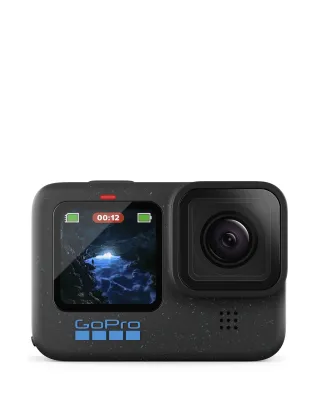
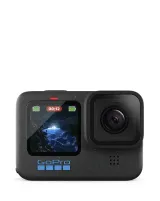 GoPro HERO12 Action Camerafrom £319.00
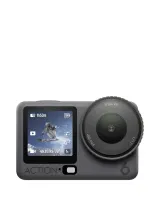 DJI Osmo Action 6 Standard Combofrom £359.00
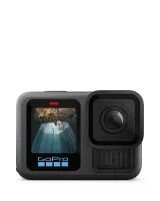 GoPro HERO13 Action Camerafrom £384.00
Live prices, reordered automatically as the feeds update.
What actually matters
Stabilisation
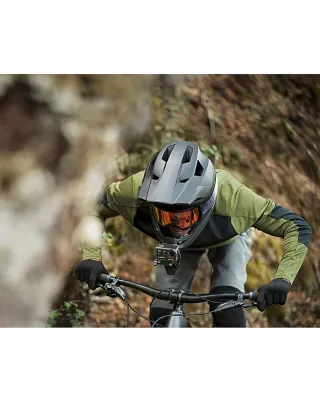
The single most important feature. Both GoPro’s HyperSmooth and DJI’s RockSteady are now excellent, and either will turn a rough mountain bike descent into something watchable. Horizon levelling — keeping the frame straight while the camera rolls — is the feature worth checking for, and it makes footage look instantly more professional.
Sensor size and low light
This is where the money goes. Standard action cameras use small sensors that fall apart as the light drops. Larger-sensor models like the GoPro Mission 1 use a 1-inch sensor and are transformative for evening and indoor shooting, at a price and size penalty. If you ride at dusk or film indoors, this matters more than any other specification.
Waterproofing
Most cameras manage 10m without a housing. DJI’s Osmo Action 5 Pro reaches 20m and the Action 4 18m, which is a real advantage if you swim, snorkel or kayak regularly.
The accessory ecosystem
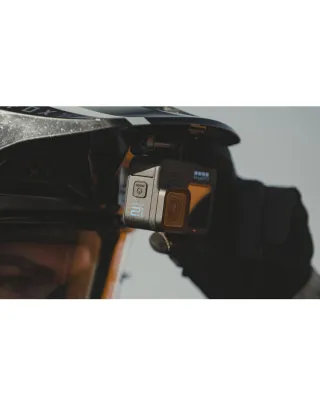
GoPro’s mounting system is the industry standard, and the range of clamps, harnesses, poles and housings available — new and used — is unmatched. DJI’s magnetic mounts are faster to use in gloves and cold weather. Both are good; GoPro simply has more of everything.
Our picks
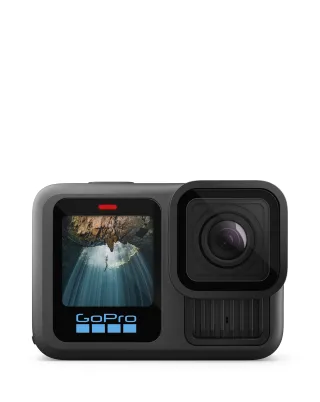
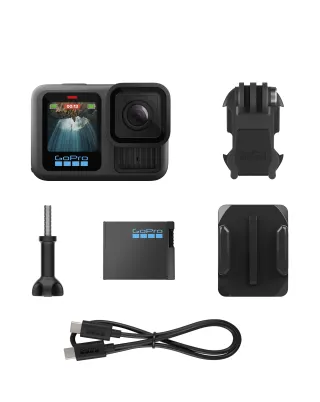
Best overall: GoPro HERO13 Black
The safest recommendation. Superb stabilisation, 5.3K video, swappable HB-Series lenses and an accessory range nothing else touches. Read the full HERO13 Black review.
Best value: DJI Osmo Action 4
Two generations old, still excellent, and now heavily discounted. A large sensor, 18m waterproofing and magnetic mounts for far less than any current flagship. See the Osmo Action 4 review.
Best in low light: GoPro Mission 1
A 1-inch sensor and over three hours of 4K recording. If your footage keeps falling apart after sunset, this is the fix — read the Mission 1 review.
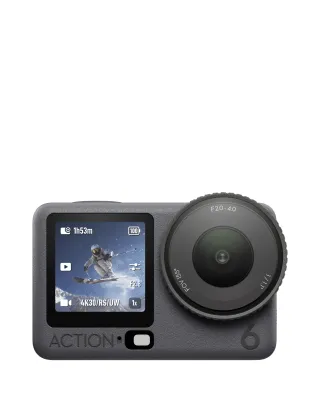
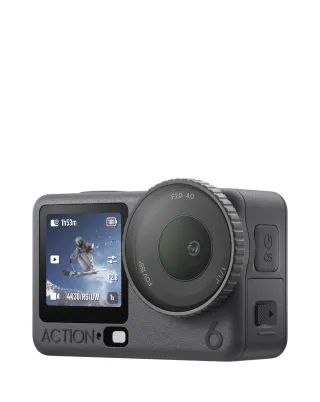
Most innovative: DJI Osmo Action 6
A variable aperture and a square sensor you can crop any shape out of. The most interesting action camera in years — see the Osmo Action 6 review.
Best small and cheap: GoPro HERO
Tiny, light and simple, with a fixed battery as the trade. The GoPro HERO review has the detail.
Two things to buy alongside
A fast, high-endurance microSD card — a slow card causes dropped recordings that look like camera faults — and at least one spare battery, because cold weather roughly halves what you get from a charge.
Should you buy a 360 camera instead?
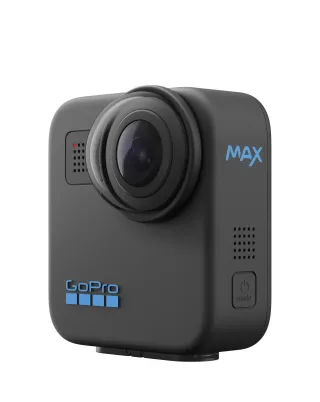
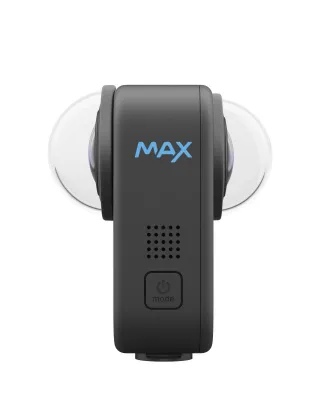
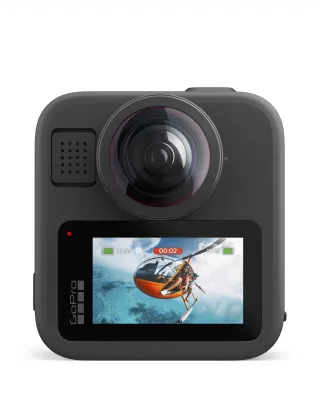
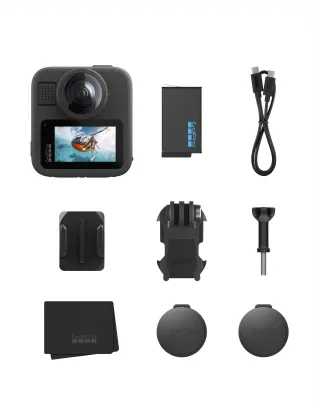
If you shoot alone and cannot stop to frame shots, seriously consider it. A 360 camera captures everything and lets you choose the angle afterwards, and it can erase the selfie stick from the shot. The trade is editing time and softer footage. Start with our GoPro Max 2 review.