Action Cameras review

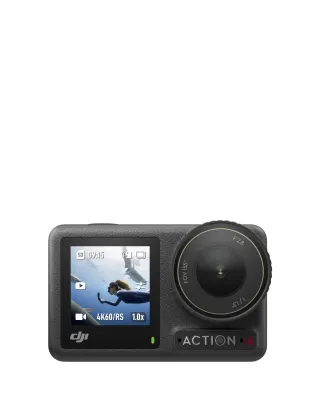
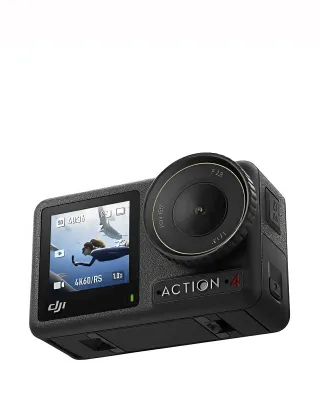
DJI Osmo Action 4 review: the bargain action camera that still beats most rivals

A 1/1.3-inch sensor, 18m waterproofing and magnetic mounts — now at a price that undercuts every current flagship. The Osmo Action 4 is the value pick in action cameras.

Action cameras age unusually well. They are built to do one thing — capture stable, wide, durable footage — and that job does not change much between generations. Which is why the DJI Osmo Action 4, two generations old and priced accordingly, is currently one of the best deals in cameras.

The sensor that made it matter

When it launched, the Action 4’s headline was its 1/1.3-inch sensor, notably larger than the chips in competing action cameras. Bigger sensor, more light, cleaner footage when conditions get difficult — dusk rides, overcast coastlines, indoor sports halls. That advantage has not evaporated simply because newer cameras exist.

Footage tops out at 4K/120, which covers both sharp standard capture and four-times slow motion, and RockSteady stabilisation keeps mounted shots level and watchable.

Built for water

Waterproofing to 18m without a housing remains genuinely class-leading. Most rivals sit at 10m or less. If you swim, surf, kayak or snorkel, that margin means you stop thinking about the camera entirely, which is exactly what you want when you are concentrating on not drowning.

Magnetic mounting

DJI’s magnetic quick-release is the small design decision users notice most. Instead of fiddling with folding fingers and a thumbscrew, the camera clicks on and locks. In gloves, in the cold, halfway up something — it is meaningfully faster, and the latch is secure.

What you give up by not buying newer

The Action 5 Pro adds internal storage, OLED screens and deeper waterproofing. The Action 6 adds a variable aperture and a larger square sensor. Both are better cameras. Neither is better value, and the gap in everyday footage is smaller than the specification sheets imply.

Who should buy it

Anyone who wants a serious action camera without flagship pricing: cyclists, swimmers, skiers, parents at sports days, travellers. Buy the Standard Combo if you already have mounts and power; buy the Adventure Combo if you shoot all day, because spare batteries and the charging case cost more separately.
What we like

  • Large 1/1.3-inch sensor handles dull light better than most rivals
  • Waterproof to 18m with no housing
  • Magnetic quick-release mount is faster than folding fingers
  • Now sells well below current flagship prices

What to watch

  • Superseded twice over, so firmware attention will taper off
  • Fewer accessories than the GoPro ecosystem
  • No variable aperture like the Action 6
  • Colour needs a little more work than GoPro footage

The verdict

The smartest money in action cameras right now. The sensor is still large by category standards, the waterproofing is class-leading, and the price has fallen far enough that the newer models have to work hard to justify themselves.

Where to buy — every version we track

Live prices from the retailers we track, updated daily. We may earn a commission if you buy through these links — it never changes what you pay.

Frequently asked questions

How deep can the Osmo Action 4 go underwater?

18m without any housing, which is deeper than most rivals manage and comfortably beyond snorkelling depth. With the dive case it goes considerably further.

Is the Osmo Action 4 still worth buying?

Yes, on price. The 1/1.3-inch sensor is still larger than what many current cameras use, and stabilisation and waterproofing remain excellent. You are buying a very capable camera at a discount because two newer models exist.

Osmo Action 4 vs GoPro HERO13 Black?

The GoPro shoots higher resolution and has a far bigger accessory ecosystem. The DJI is deeper waterproof, mounts magnetically and costs meaningfully less. For pure value the DJI wins; for versatility and resale, the GoPro does.

What is in the Adventure Combo?

Extra batteries, a multi-charging case and an extension rod. If you shoot all day away from power it is usually better value than buying the parts separately.

More reviews