Digital Cameras review

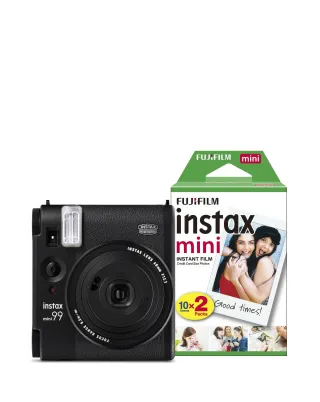
Instax Mini 99 review: the instant camera for people who want control

Colour effects, manual exposure control, double exposures and a proper analogue feel. The Mini 99 is the enthusiast’s Instax, and the most creative camera in the Mini range.

Most Instax cameras are designed to remove decisions. The Instax Mini 99 gives them back, and in doing so becomes the most interesting camera in Fujifilm’s Mini range.

Colour effects made with light, not software

The headline feature works in a way that is quietly delightful. Rather than applying a digital filter, the camera shines coloured light onto the film during exposure. Choose a warm, cool, sepia or faint tint and the effect blends with the actual scene, varying with the light you are shooting in. Two photographs with the same setting will not look identical, which is precisely why enthusiasts like it.

Control worth having

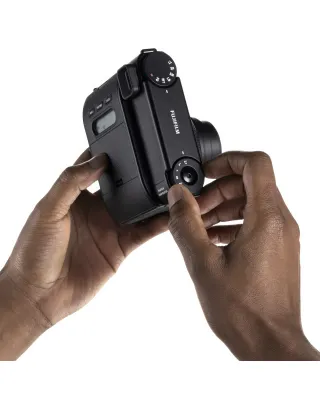
You get manual brightness adjustment, a double exposure mode, a vignette option and a tripod socket, plus two shutter buttons so vertical shooting is comfortable. None of this is complicated, but together it turns instant photography from a lottery into something you can steer.

Double exposure in particular rewards experimentation — layering a portrait over foliage, or a skyline over a face, produces results that no phone filter convincingly fakes.

The catch

It is fully analogue, so there is no screen, no preview and no undo. Every experiment costs a sheet of film, and creative modes fail more often than automatic ones. That is the deal, and if it sounds tiresome rather than exciting, this is not your camera.

It also costs substantially more than the entry-level models, which do the simple job just as well.

Who should buy it

People who already shoot instant film and want more from it, film photography enthusiasts who want something pocketable, and anyone who values the process as much as the print. If you want to experiment without burning film, the hybrid Instax Mini Evo gives you effects with a preview screen; if you just want good party photos, the Mini 13 is the sensible choice.
What we like

  • Built-in colour effects created optically, not digitally
  • Manual brightness control and double exposure mode
  • Two shutter buttons and a tripod socket for real composition
  • Premium build compared with entry-level Instax

What to watch

  • Considerably pricier than a Mini 12 or 13
  • Fully analogue — mistakes still cost you film
  • More to learn than a point-and-shoot Instax
  • Same small Mini print format

The verdict

The most rewarding camera in the Instax Mini line, provided you want to work for your pictures. The colour effects are applied with actual coloured light inside the camera, which gives results digital filters cannot imitate.

Where to buy

Live prices from the retailers we track, updated daily. We may earn a commission if you buy through these links — it never changes what you pay.

Frequently asked questions

What are the colour effects on the Instax Mini 99?

The camera illuminates the film with coloured light as it exposes — faint tint, warm, cool, sepia and more. Because it happens optically at the moment of exposure rather than as a digital filter, results vary subtly with the scene, which is exactly the appeal.

Can you do double exposures?

Yes. Two exposures are laid onto one sheet of film, which is one of the most creative things you can do with instant photography and produces results you cannot plan precisely — part of the fun.

Is the Mini 99 good for beginners?

It is more camera than a beginner needs. Every mistake costs a sheet of film, and there is no screen to check results. Start with a Mini 12 and move up if the format grabs you.

Does it have a tripod socket?

It does, along with two shutter buttons for horizontal and vertical shooting. Together they make deliberate, composed shots and long exposures far more practical than on entry-level models.

More reviews